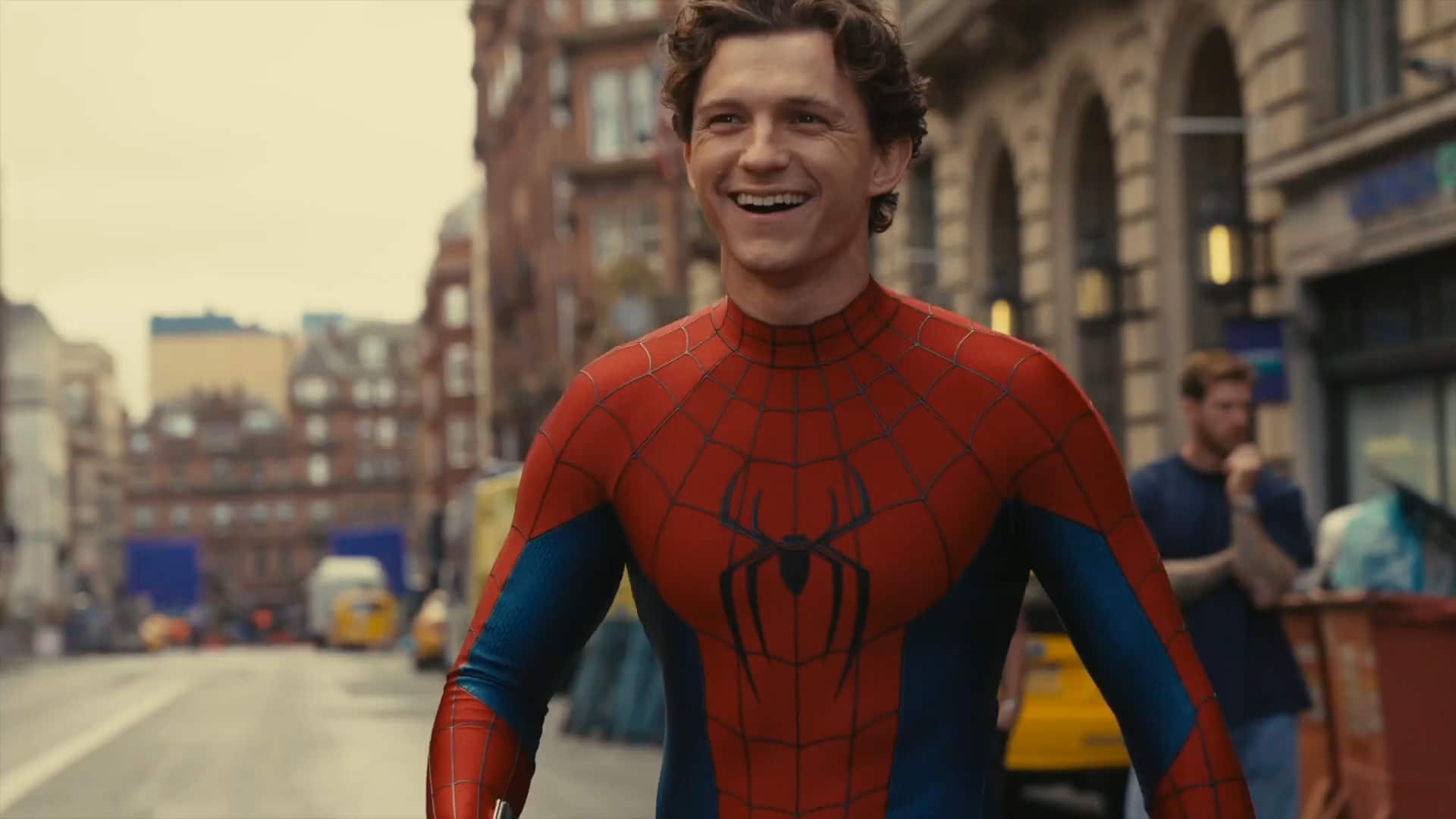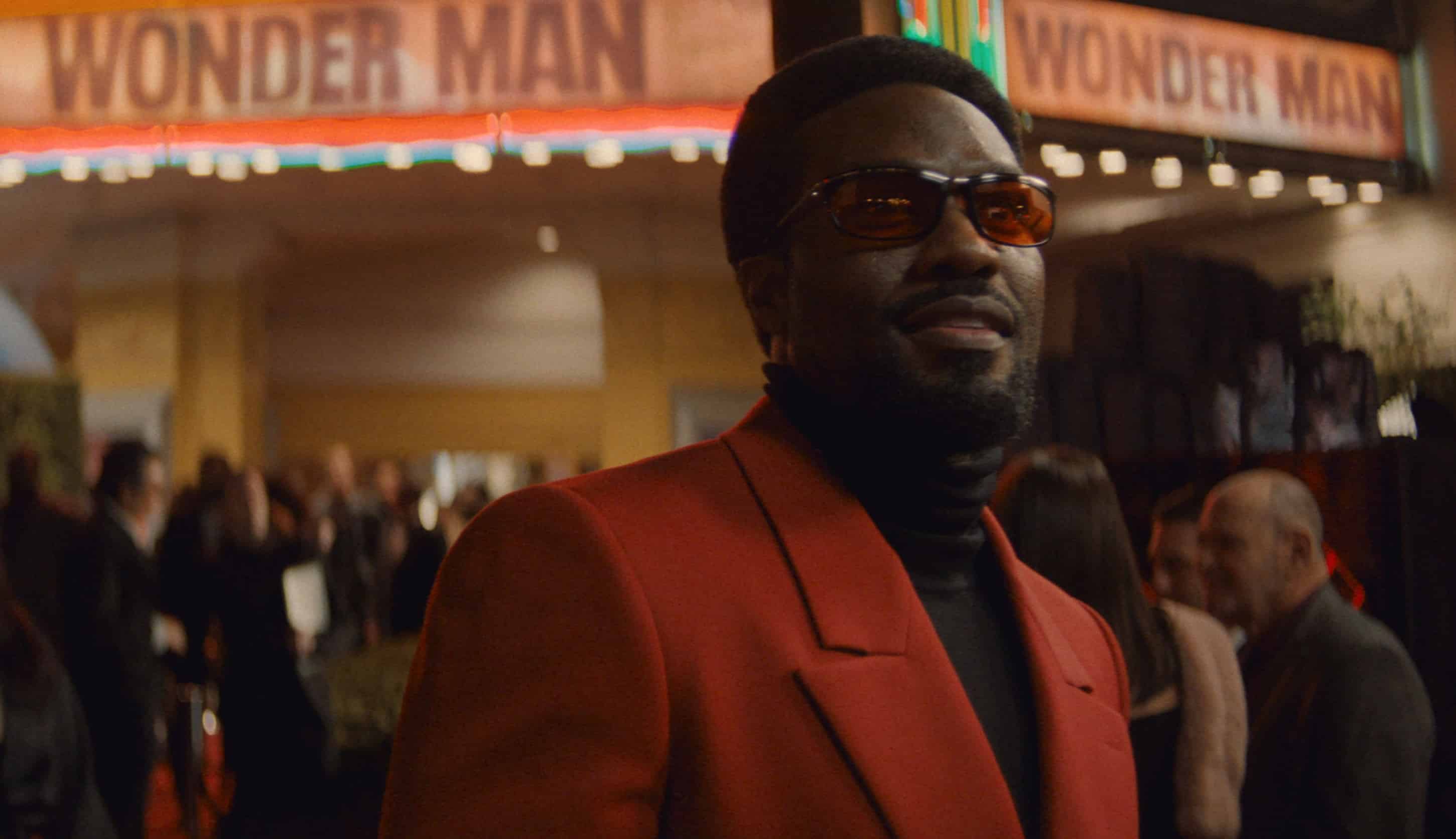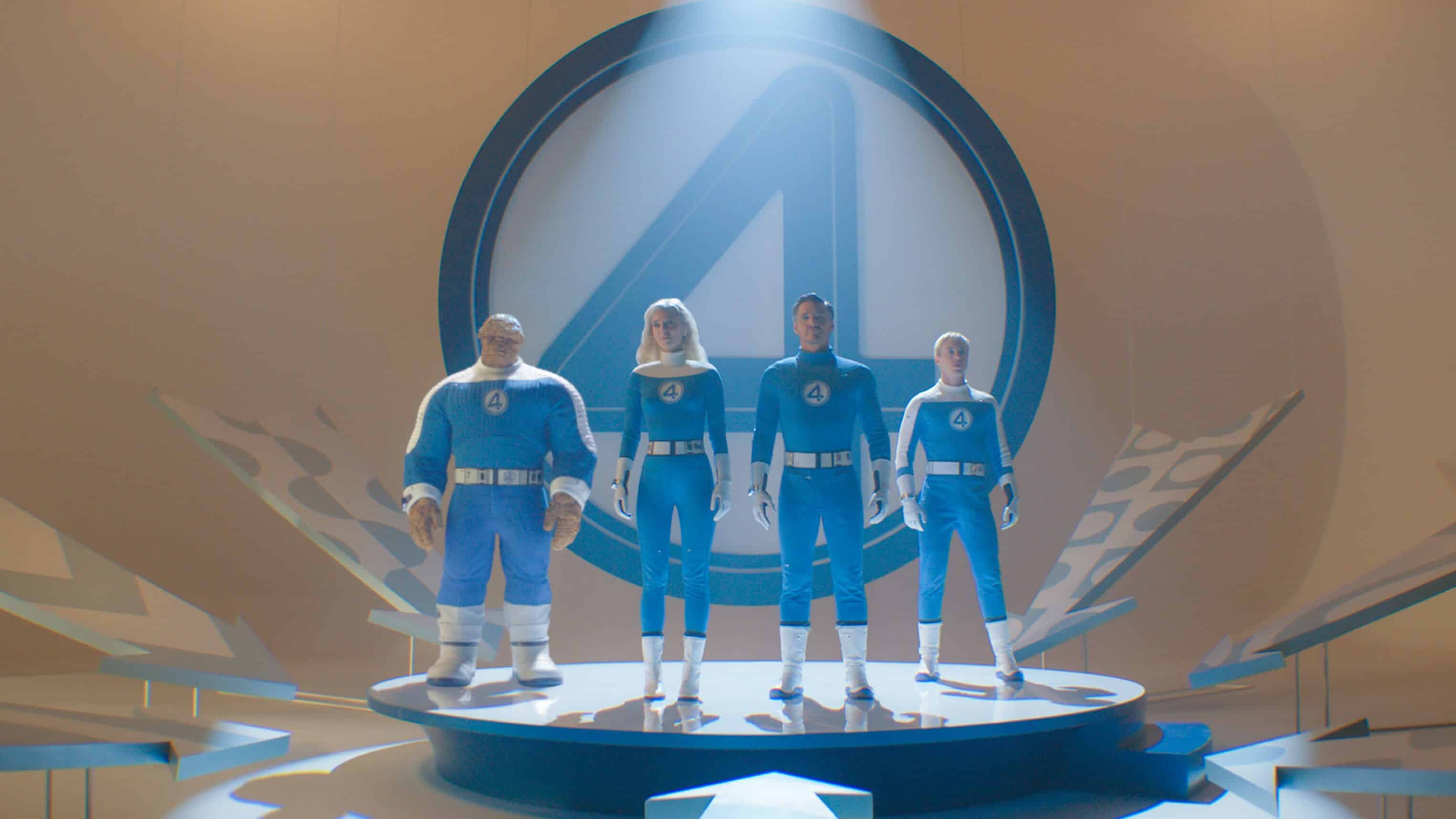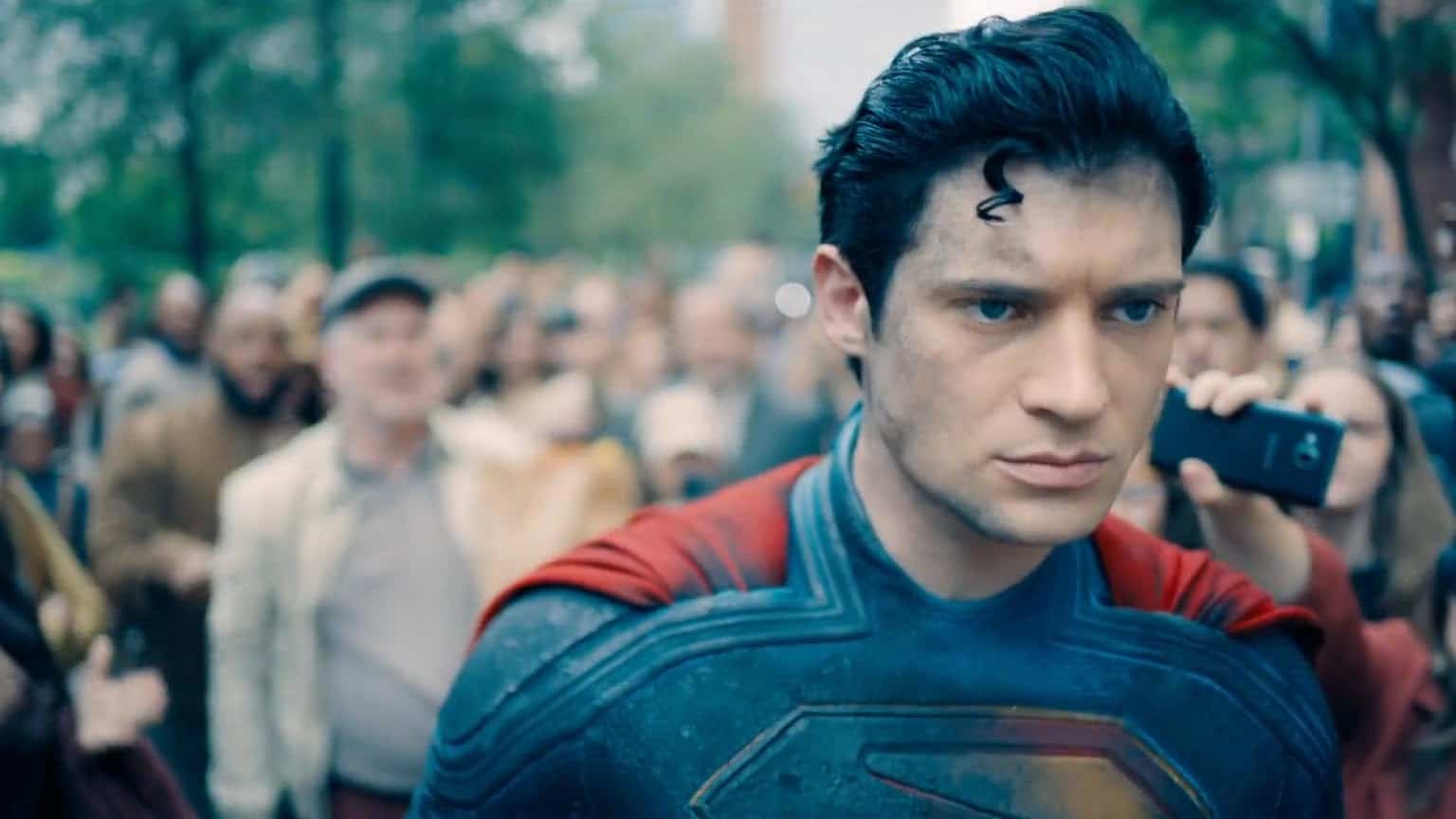
I’m an ’80s baby, raised on bad sitcoms and movies with heavy-handed messages (and great soundtracks). The idea of Blackness then was still shrouded in otherness: Most programs either sought seamless integration with some small Black aesthetic flairs, or played up those Black aesthetics for comedic impact. So many of those shows seemed to be self-aware that they were expressing Blackness explicitly, or implicitly playing that Blackness down. In both cases, those expressions sacrificed authenticity.
Given this context, Ironheart and Eyes of Wakanda feel revolutionary to my ’80s baby brain. There is no AAVE added for no reason, nor heavy-handed history lessons given as impassioned soliloquies to explain racial contexts. Things just … are. Characters talk. Flirt. Love. Fight. These shows do not teach an audience about Black people; they assume people have already done the work, or, in lieu of it, will just figure it out.
These programs are all the better for assuming the best in people.
Maybe that’s why they got the short end of the stick.
Ironheart of Gold

Chicago is a rorschach test. Say the name, and whatever comes to mind — trains and a downtown river, guns and G Herbo drill, Kanye and the Obamas — says more about you than the city itself. It’s imperfectly gorgeous, a reflection of whatever we bring to it.
It’s America.
For many, it’s a symbol of everything wrong with Left-leaning politics and “Black culture.” (Side note: The belief that there is one static Black culture is always a tell the critique is false.) A war zone, ungovernable, filled with crime and despair.
This is, of course, a lie: As I type this, thousands upon thousands are gathered together in joy, showing how much of a lie it is. Yet part of Ironheart’s genesis is rooted in this lie: a Black girl traumatized by violence, using scrap and resilience to fly her way out and away. How then, does one square this lie and the art yielded from it with the truth and a desire to tell a full story?
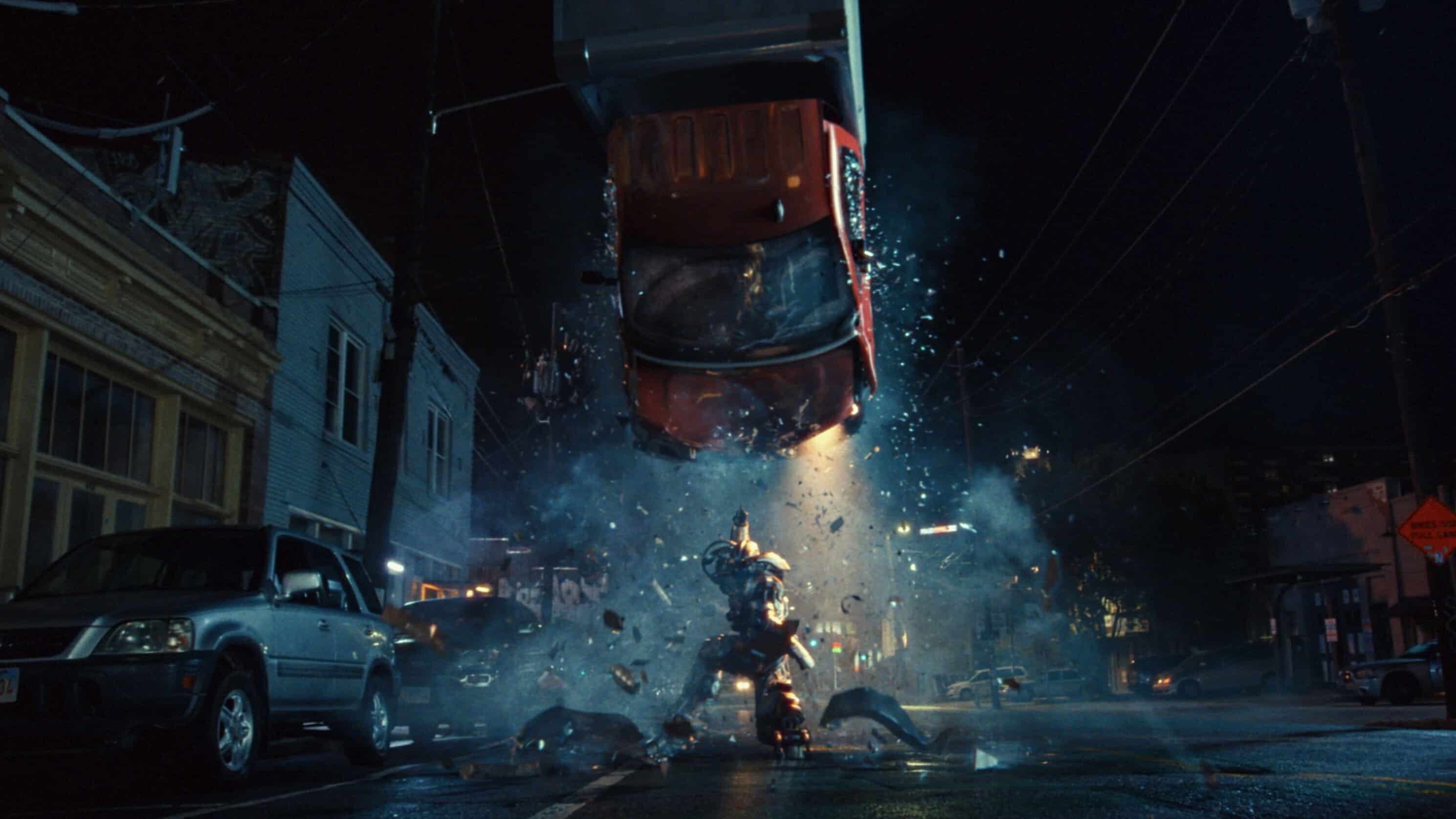
This is the brilliance of Ironheart. Not simply a good story that asks surprisingly hard and prescient questions about AI and the wisdom of superpowered children, not simply a deeper than expected magical romp with excellent acting and a few good cameos (Sacha was cool, but Freddie Brooks was better). It’s a story of Chicago, and how to make a city, maligned by too many, feel like home.
It’s bright and clean and diverse — on purpose. Riri’s neighborhood is walkable; her neighbors are friendly. There is a community here that, clearly, is not oblivious to hard times, but not ruled or ruined by them. The conversations feel authentic and empathetic. Not overly dramatic with despair, not filled with unnatural slang. It just is. Complex and clear. And as the city went, so did the show: It knew what people expected of the city, and decided to give them more.
Well done on all counts.
Will Eyes Watch Wakanda?

The Eyes of Wakanda, as an anthology series, had a different task: tie four disparate tales into a cohesive, relevant piece of Black Panther lore. For many, the lack of a Panther (until the last episode, as an ancillary character) might fuel disinterest. To many, the lack of a specific Panther, T’Challa, feels disrespectful. Given he doesn’t have an ongoing in the main 616 universe (but he is an Avenger and has an Ultimate counterpart and is a pretty big deal in the Jonathan Hickman-helmed Imperial series of comics), given he’s not in the movies, and given his video game’s cancellation, I understand why those who feel his absence as a betrayal might feel this anthology betrays their sensibilities.
Still, outside the context the series cannot control, Eyes does something magnificently unique: It doesn’t try to explain things that don’t need explaining. No need to explain why Black people are in ancient Troy or China: Just accept that they are. (Fun fact: They were.) Years ago, in my native 1980s, we would have a character pontificate (aka apologize) as to why a Black person was in this space we assumed (wrongly) “should” be all white.
Now, they just are. And just being is revolutionary.
The first episode is action oriented; the second intimate, implying a homoeroticism it declines to explore (this could be a whole other tirade, but I will leave it to others to better articulate why the obvious was left unsaid). The third is wildly slapstick and comedic; the fourth, the weakest, oscillates between the near past and far future.
While the time varies, the art stays disappointingly cohesive, not necessarily for the better. Though I loved the expressive faces and detailed skin tones, I understand if others see something more bland, Pixar-lite. Maybe varying art styles, a la Star Wars: Visions, would have been a better play, especially given the differentiation in tone between the episodes.
Still, this is, at worst, a group of four pretty good to excellent stories. In a world bereft of Black animation, I welcome this, imperfect as it may be. Completion alone is sometimes revolutionary.
And thus revolution — of authenticity and of presence — is why I’m so frustrated. They both debuted essentially DOA, as afterthoughts given the bare minimum of promotion. Maybe the comic book genre is oversaturated. Maybe the MCU is dying if not dead. Maybe, as has been reported, this is just the result of Disney’s recalibration, and they do not deem it wise to spend any more money on things they have no ability or desire to develop further.
Or.
Maybe the blowback to a Black president and Black people asserting themselves was as inevitable as Apple pie on a Sunday morning. Maybe the recalibration that robbed these shows of proper promotion is a reaction to overextending universes, imagined and all too real.
Still, even if what comes next — assuming anything comes next — is less than enthralling, I implore you to enjoy what is, as it is. Watch Ironheart. Watch Eyes of Wakanda.
They were made by us, for us. Delivered to us without need for exposition for anyone else. These are flowers found in a dense digital forest of way too much overgrowth and overstimulation. They deserve to be shown the sun.
Do yourself a favor and pick them while they’re ripe, and enjoy them while they bloom.
For the wilt is inevitable.

A proud New Orleanian living in the District of Columbia, Jude Jones is a professional thinker, amateur photographer, burgeoning runner and lover of Black culture, love and life. Magneto and Cyclops (and Killmonger) were right. Learn more about Jude at SaintJudeJones.com.