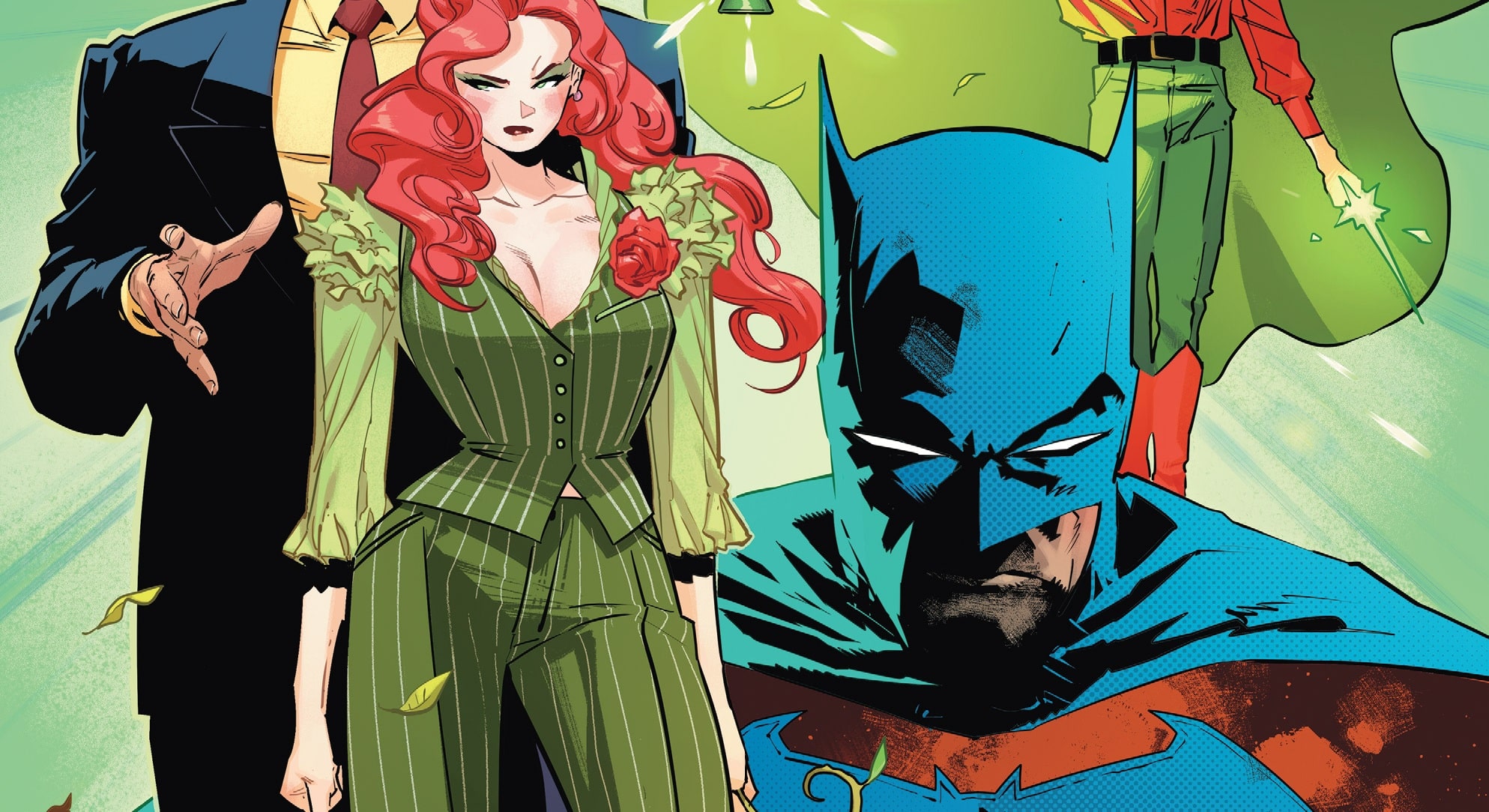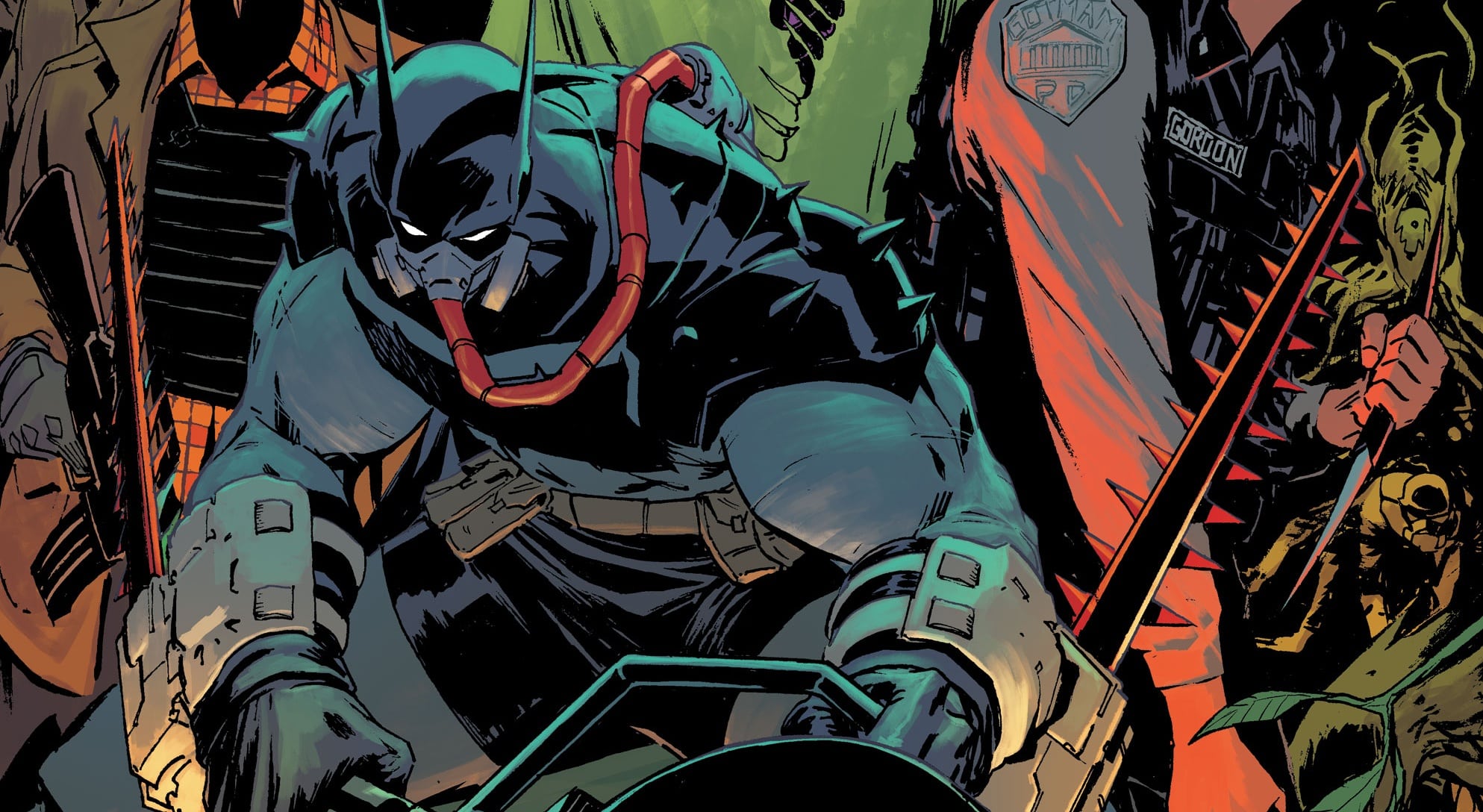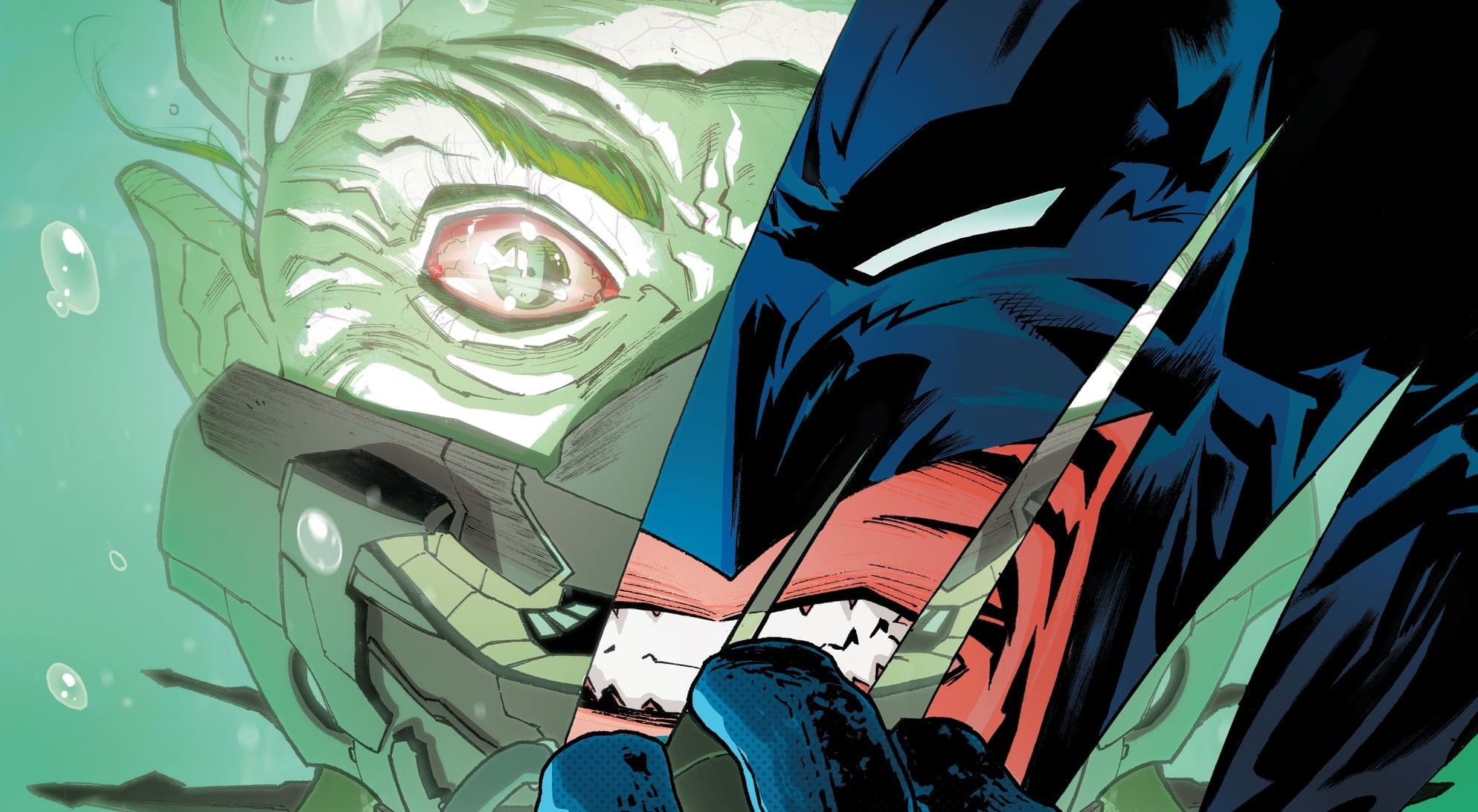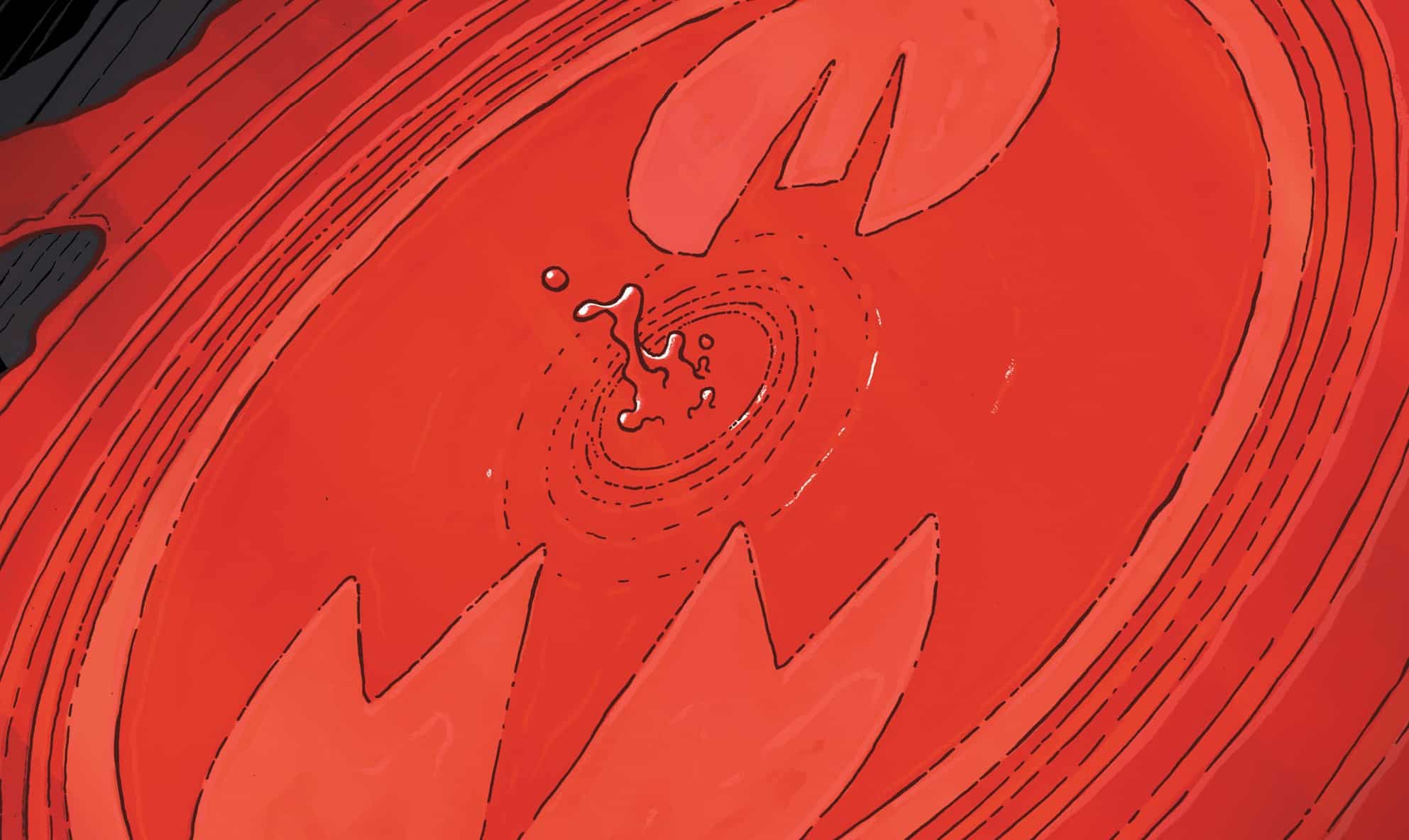
“Pareidolia,” the third arc of the series, wraps up with Batman shot and tied up at the mercy of the man behind the discovery of the body that led Batman to Gotham’s Rookery neighborhood. Can Batman figure out all the secrets and convince his captors to free him before he is killed? Batman: Dark Patterns #9 is written by Dan Watters, drawn by Hayden Sherman, colored by Triona Farrell and lettered by Frank Cvetkovic.
Will Nevin: Nothing like opening our Batman column with a little Star Trek talk we didn’t get to last night. I’m pretty sure this pitch to bring back Scott Bakula as United Federation of Planets President Jonathan Archer is never going to make it to series, but it’s at least interesting.
Matt Lazorwitz: It is. I love Scott Bakula. I have very fond memories of watching Quantum Leap with my dad. But we haven’t gotten spin-offs/follow-ups of the far more popular Deep Space Nine and Voyager. Enterprise has such a cult following, and Paramount is looking for money makers. They dropped Section 31 from series to movie, and that starred Michelle Yeoh. I can’t see this pitch moving the studio needle enough to even get that.
Will: If only Bakula’s Q-rating was just a little higher.
Will the Real Red Hood Please Stand Up?


Will: You know, we keep reading “H2SH” out of obligation — that we’re somehow duty bound to review a thing grafting on to a legendary (for some reason) story even as the parts that aren’t plodding manage to be as dumb as anything this side of Sean Gordon Murphy. And as that circles the drain, we run out of things to say about it: It sucks. It’s plain to anyone casually reading and thinking about it that it sucks. It’s sad that it sucks so much.
This? This series continues to astound me. Every page is a new delight. Every character is rich with depth. (We have indeed found our common thread, by the way.) This is a complicated, terrible world that Dan Watters and Hayden Sherman have created, and it’s crushing Batman himself. I felt his misery. His sense of failure. His questioning of The Mission. It was amazing.
Matt: I love stories of heroes triumphing. Triumphing over villains, over the environment, over themselves. Batman is a character who is, at his core, about a man who rises up. But to rise up, he has to start from somewhere down. So sometimes, Batman has to lose. And this is a story where Batman loses.
It’s not a loss that has the inflated stakes that so many modern Batman stories have. This is not the fate of Gotham on the line. It’s not even the fate of the Rookery, this neighborhood. This is a small story about an old man who thinks the ends justify the means and two impressionable kids trying to do something they think is good in the worst way, and how it goes horribly, tragically wrong. It’s something we don’t see all the contours of until the end, and when we finally see them, it’s too late for even Batman to stop it. Heartbreaking like so many great stories are.
Will: But even in loss, Watters is able to demonstrate what makes Batman such a great character. He spends almost the entire issue bleeding out on the floor, but he’s able to deduce exactly what has happened in the Rookery. And not all at once, Encyclopedia Brown style. He pieces things together with the clues he has and his skilled eye for observation. If you like a ton of action in your comics, this is not the one for you. But if you like drama? Suspense? Oh, brother.
Matt: It’s such a perfect, slow build to that ending. We’ve talked about how Sherman’s layouts are often these mad, gorgeous things when it comes to action scenes. The previous Scarface arc made that quite clear. But here, we have four people in a room, and the style is still innovative. There are pages that are very traditional, sure, but then we have a page that is panelled within the profile of our supposed Red Hood gang member. The pages when Bruce returns to the cave are nontraditional with strange, curved borders and insets that make you feel the unease and confusion that Bruce is feeling as he questions what he did. This is an amazing blend of story and art.
Will: And Sherman is so restrained when it comes to the full-page splash. Opening with one really had an impact. And what a feeling for how to design and lay out a page turn — watching a gun drop with a sense of what’s going to happen next? Incredible sequential storytelling.
Matt: Speaking of restraint, this is a story about the origins of the Red Hood Gang. And at no point is there a reference to some guy with a weird smile who grew up in the Rookery and disappeared or something akin to that. I can think of very few if any writers who would avoid making an unnecessary Joker reference in a story that has ties to him, but Watters absolutely doesn’t, because it would add nothing to the story. Which has not stopped so many others from working in some Joker-related bit in a story with even less logical connection to him. Bravo, I say.
Will: What else is there to say, really? This series is the “H2SH” balm. It’s going to be an adventure ranking these arcs on the Big Board.
Bat-miscellany
- Next week, the new season of Peacemaker launches on HBO Max, so this week’s BatChat podcast features stories where Bat Characters meet Peacemaker and other characters from that show.
Buy Batman: Dark Patterns #9 here. (Disclaimer: As an Amazon Associate, ComicsXF may earn from qualifying purchases.)

Matt Lazorwitz read his first comic at the age of 5. It was Who's Who in the DC Universe #2, featuring characters whose names begin with B, which explains so much about his Batman obsession. He writes about comics he loves, and co-hosts the podcasts BatChat with Matt & Will and The ComicsXF Interview Podcast.

Will Nevin loves bourbon and AP style and gets paid to teach one of those things. He is on Twitter far too often.