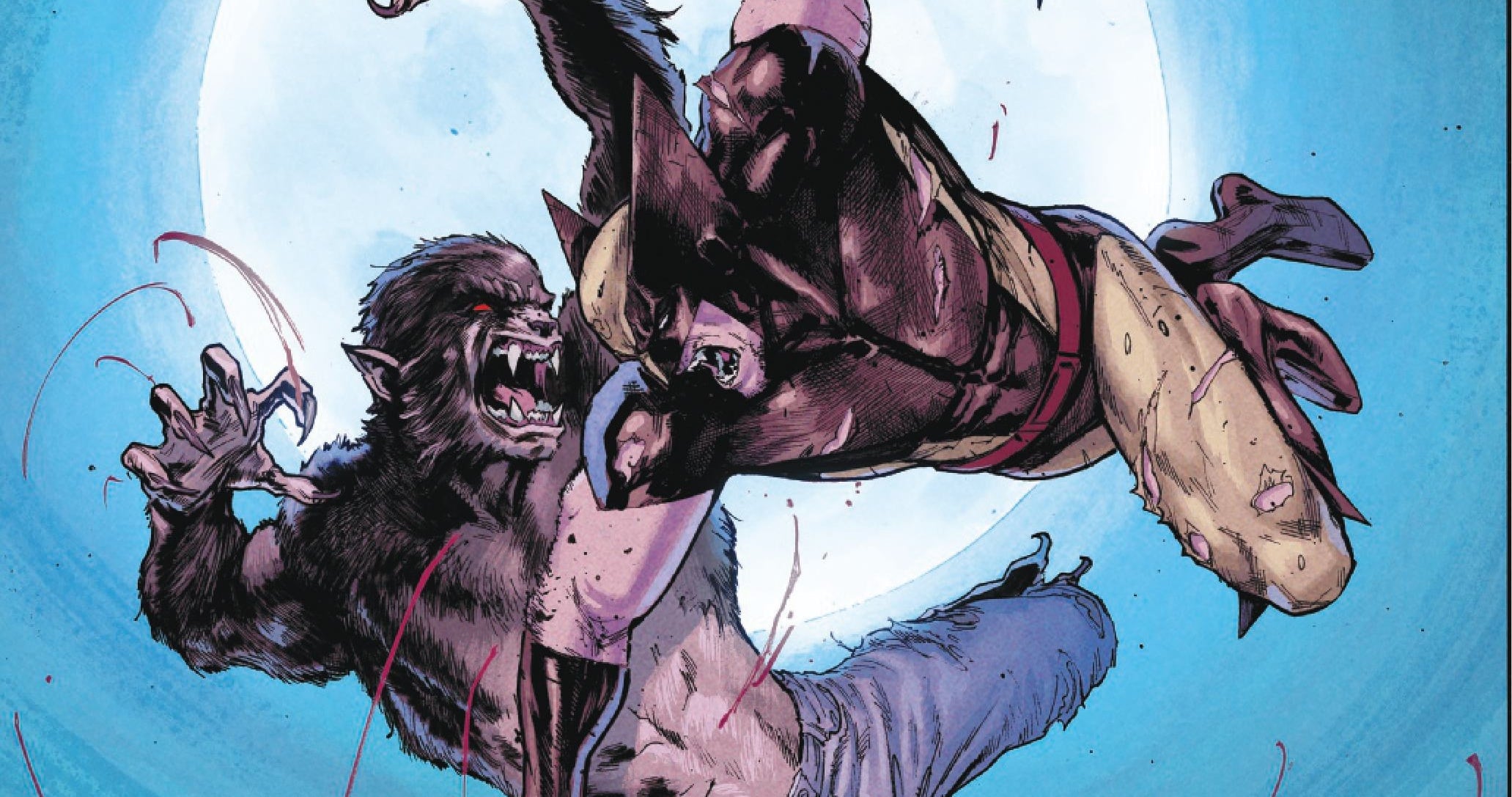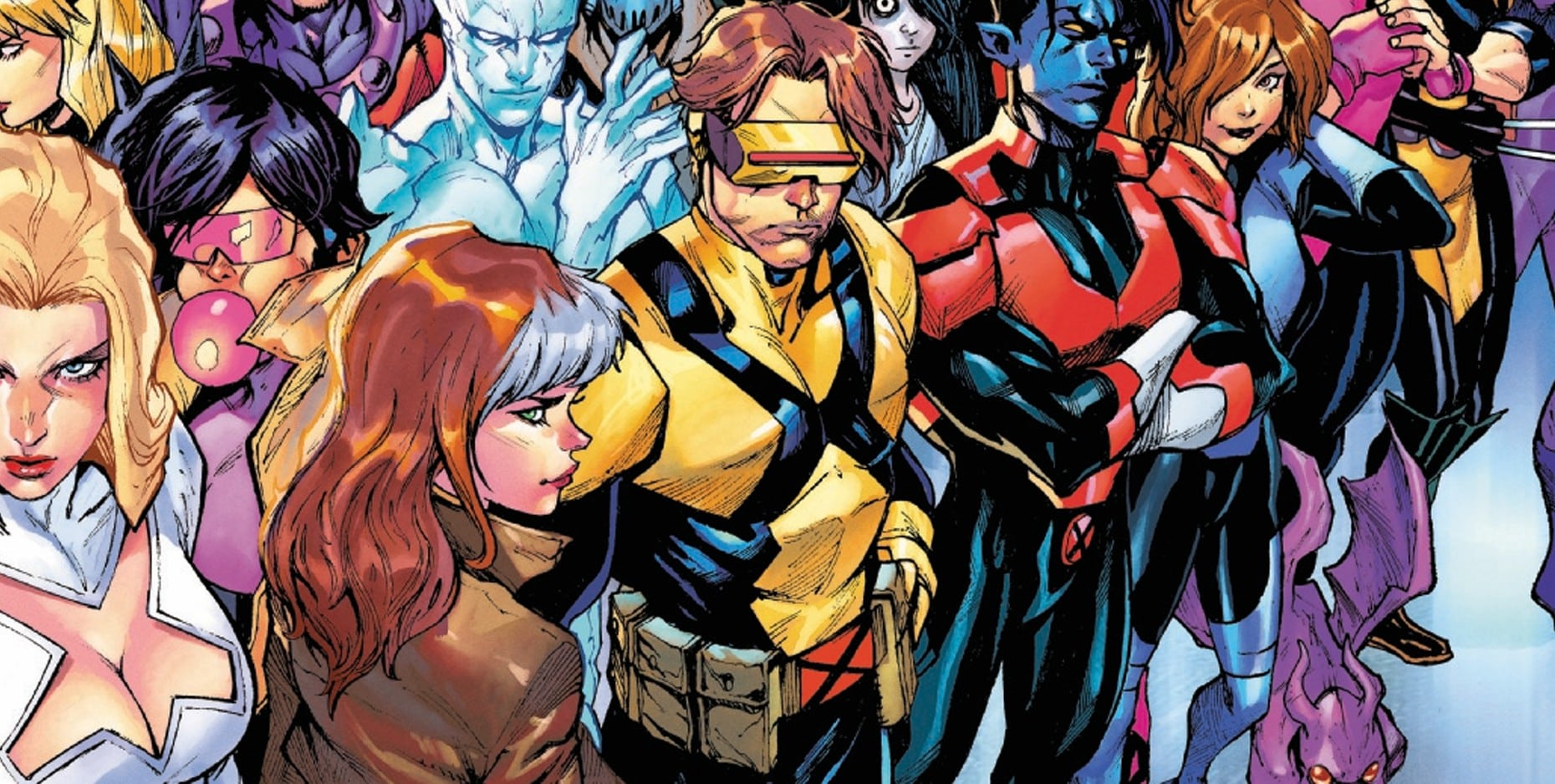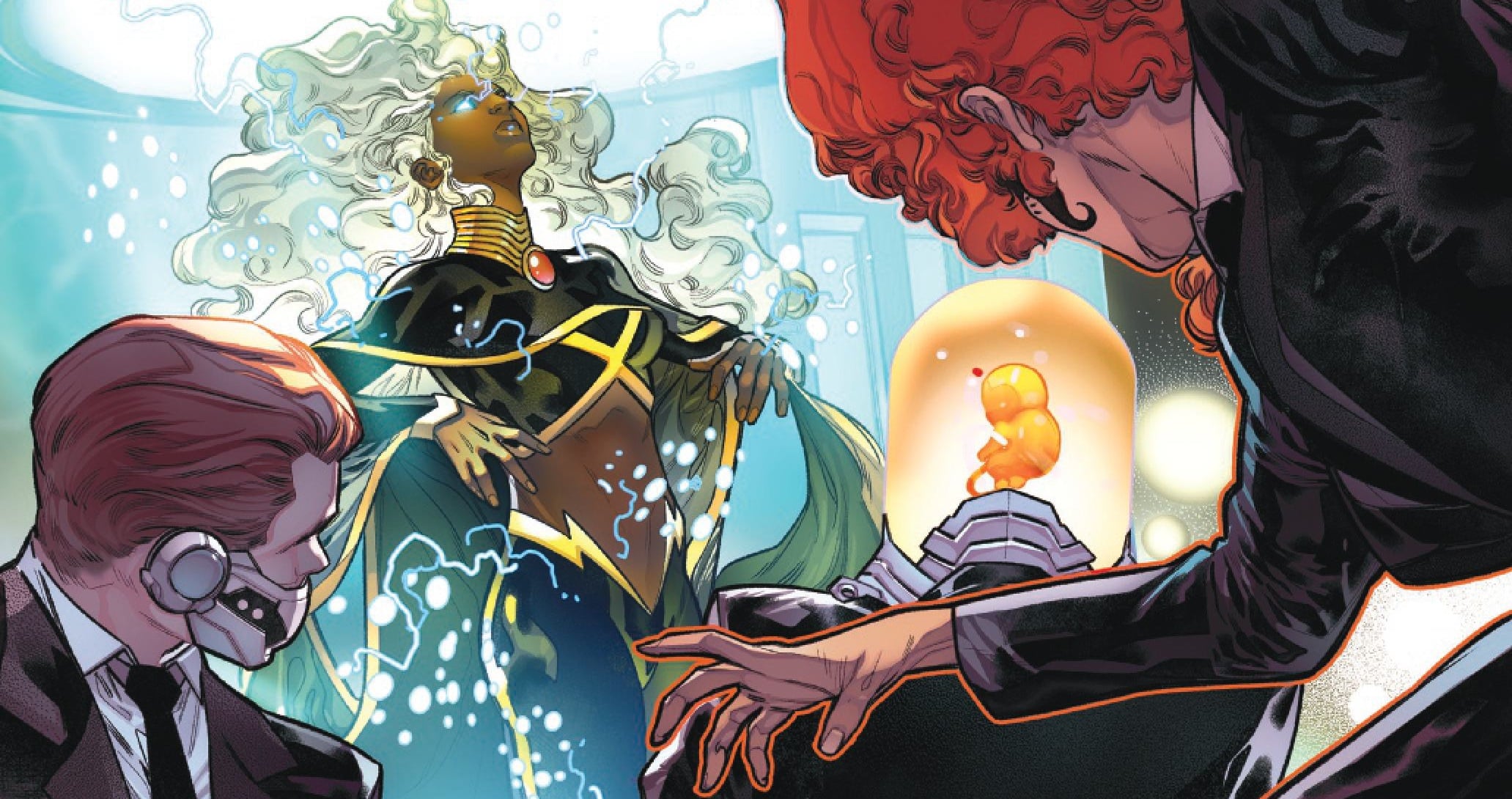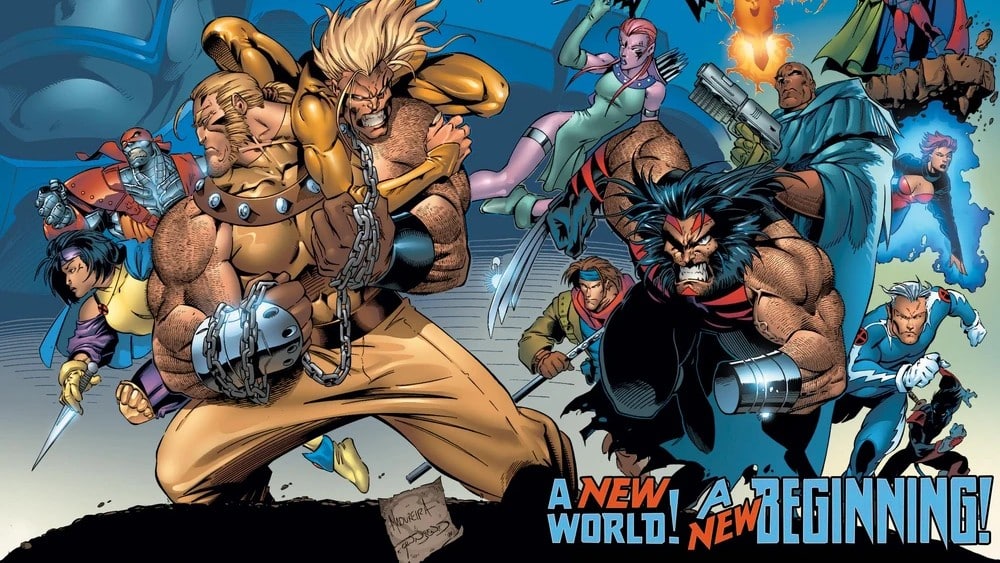
In the dying days of December 1994, Marvel Comics dropped X-Men Alpha #1, a double-sized, chromium-cover-wrapped one-shot introducing the world to the “Age of Apocalypse.” Following a multi-part story that saw Professor Xavier’s son Legion travel back in time to kill Magneto before the X-Men formed, a mission Legion thoroughly botched, accidentally killing his dad instead, reality as readers knew it had been rewritten. With Xavier dead, the X-Men were instead formed by Magneto to oppose the evil mutant Apocalypse, who eventually conquered all of North America. Friends became foes, hands became metal stumps and everyone became a little more manga-fied.

Less than nine months later, on Sept. 9, 1995, the fourth season of X-Men: The Animated Series launched with the episode “One Man’s Worth Part 1,” in which agents of the Sentinel leader Master Mold travel through time to kill Xavier before he forms the X-Men, leading to an alternate reality in which a Magneto-led group of X-Men fight against a world ruled by Apocalypse (friends became foes, etc.). By all appearances, the two-part “One Man’s Worth” is the animated series’ adaptation of the comic book storyline, following in the footsteps of its “Days of Future Past” and “Dark Phoenix Saga” adaptations of other classic comic book stories.

However, according to producer Eric Lewald, thanks to the lead time involved in the creation of an animated episode, the comic book story was actually inspired by the cartoon — the comics simply beat the animated series to the punch, being published before the episodes that inspired it reached air.
Inspired by his love of stories like It’s a Wonderful Life and Star Trek‘s “City on the Edge of Forever,” Lewald came up with the idea of an episode in which someone goes back in time to kill Xavier, creating an alternate world completely different from the one viewers know as a result. At the time, X-Men editor Bob Harras was Marvel’s adviser on the animated series, working closely with Lewald and his production team. Hearing about the show’s plans for “One Man’s Worth” and liking the idea, he brought it back to the comics side, and over time, “Age of Apocalypse” was built out of that initial “what if Professor X was killed before forming the X-Men?” alternate reality idea. Says Lewald, “We’d taken all these cool stories from them [the comics] and used them in our show. The fact that they would take a story we came up with for the show that was original to the show and, you know, 18 months later, build this massive series of six or seven different books out of it was just amazing.”

Aside from the sequencing of release, some of the confusion about which medium was adapting which likely stems from the fact that, despite inspiring the comic book story, the animated “One Man’s Worth” feature looks lifted directly from the comic book “Age of Apocalypse.” While Storm and Wolverine — the two main X-Men characters of “One Man’s Worth” — have mostly original alternate looks (with Storm’s featuring her punk-era mohawk, which well-predated “Age of Apocalypse”), many of the background characters, particularly in the first part, appear just as they did in the comic book version of the story.
This came about because of, again, the difference in lead time for animation production. While “One Man’s Worth” was conceived of and work began before the comic book “Age of Apocalypse,” by the time the two-parter was getting animated, “Age of Apocalypse” had already come out. And thus, in a true testament to the timey-wimey elements of the respective stories, the animation producers were able to lift designs from the comic book story the animated story inspired and include them in the original release of the story that inspired them.
Also, in a fun bit of Easter eggery and more head-hurting timey-wimeyness, this means that both Morph — the animated version of the comic book Changeling — and Morph — the redesigned “Age of Apocalypse” version of the character who is also based on the comic book Changeling but was included in “Age of Apocalypse” in part due to the existence of the animated Morph — can be seen in “One Man’s Worth Part 1.”


As a kid, I turned up my nose at “One Man’s Worth” because it failed to be as faithful an adaptation of “Age of Apocalypse” as the series’ similar adaptations of, say, the respective Phoenix sagas. Because, of course, I had no way of knowing “One Man’s Worth” was conceived well before “Age of Apocalypse.” Revisiting it with the knowledge that not only was it never intended to be an adaptation of the comic book story but in fact inspired the comic book story makes that all seem blisteringly obvious. While the broad strokes of the plot (kill Xavier, rewrite history), the thematic implications (the impact one person can have on the course of events), and the general aesthetics (Mad Max with lots of belts and pouches) are shared, they really are two different beasts telling two different kinds of story. Taken together, they make for a fascinating case study on the act of adaptation, and the respective advantages and challenges of two different storytelling mediums.

Austin Gorton also reviews older issues of X-Men at the Real Gentlemen of Leisure website, co-hosts the A Very Special episode podcast, and likes Star Wars. He lives outside Minneapolis, where sometimes, it is not cold. Follow him @austingorton.bsky.social.