Last week, I learned that Cody Ziglar’s volume of Marvel’s Miles Morales: Spider-Man would be ending Jan. 28 after 42 issues. Given that I started reviewing this run last year at issue #23, I was surprised and saddened to learn this. I was not, and am still not, emotionally ready to see this series come to an end. This feeling only intensified once I read issues #40 and 41 and met Rabble, a traumatized, angry Jordanian woman who was Miles’ returning antagonist. Even though I didn’t understand why she was angry yet, she felt familiar to me. To figure out why, I read the issues of Ziglar’s Miles Morales that I had missed.
On Jan. 16, I decided to buy Vols. 1-4 of the series at a bookstore as a bit of retail therapy after an actual therapy session had left me raw. I felt like a towel that had been wrung out, and things took a tense turn later that afternoon when my dementia-addled mom started arguing with my older sister, who was visiting at the time. I needed to get away, so I called an Uber to take me to a local Black-owned indie bookstore called Nubian Books. There, I got a moment to breathe as I got volumes 1, 3 and 4.
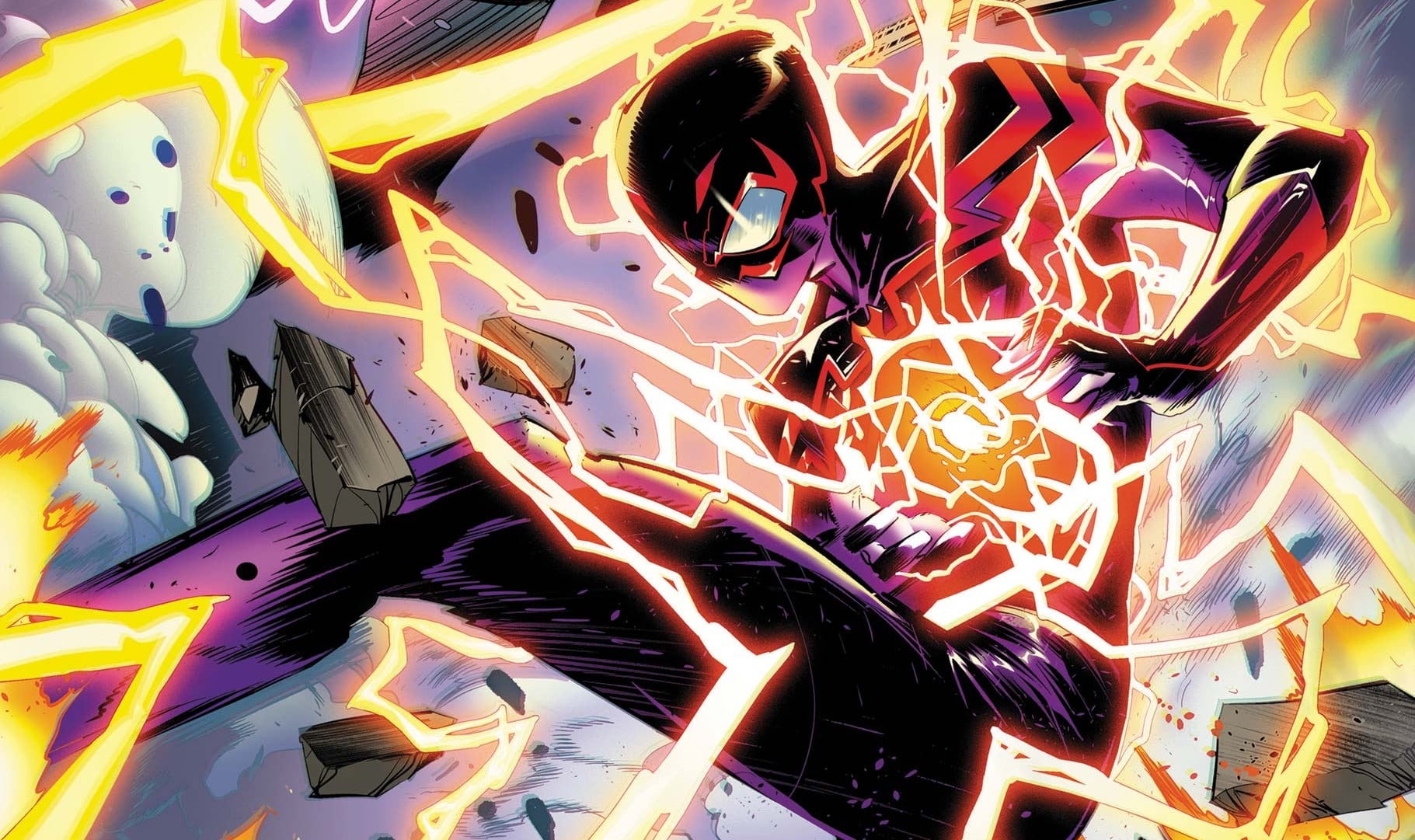
Since they didn’t have Vol. 2, I went to a Books-A-Million to get it after calling ahead to reserve a copy. I didn’t want to go home just yet, and the happiness I’d been feeling at Nubian Books was overshadowed by the dark gray clouds of the tenseness I’d temporarily escaped from. It was a tingle, a crackle of anxiety that danced in my brain like lightning. Sometimes, I call my anxiety my Spider-Sense because Cindy Moon, another Spider-hero I’m a fan of, also has anxiety. I wrote about it for Shelfdust five years ago. Little did I know, Miles has anxiety, too.
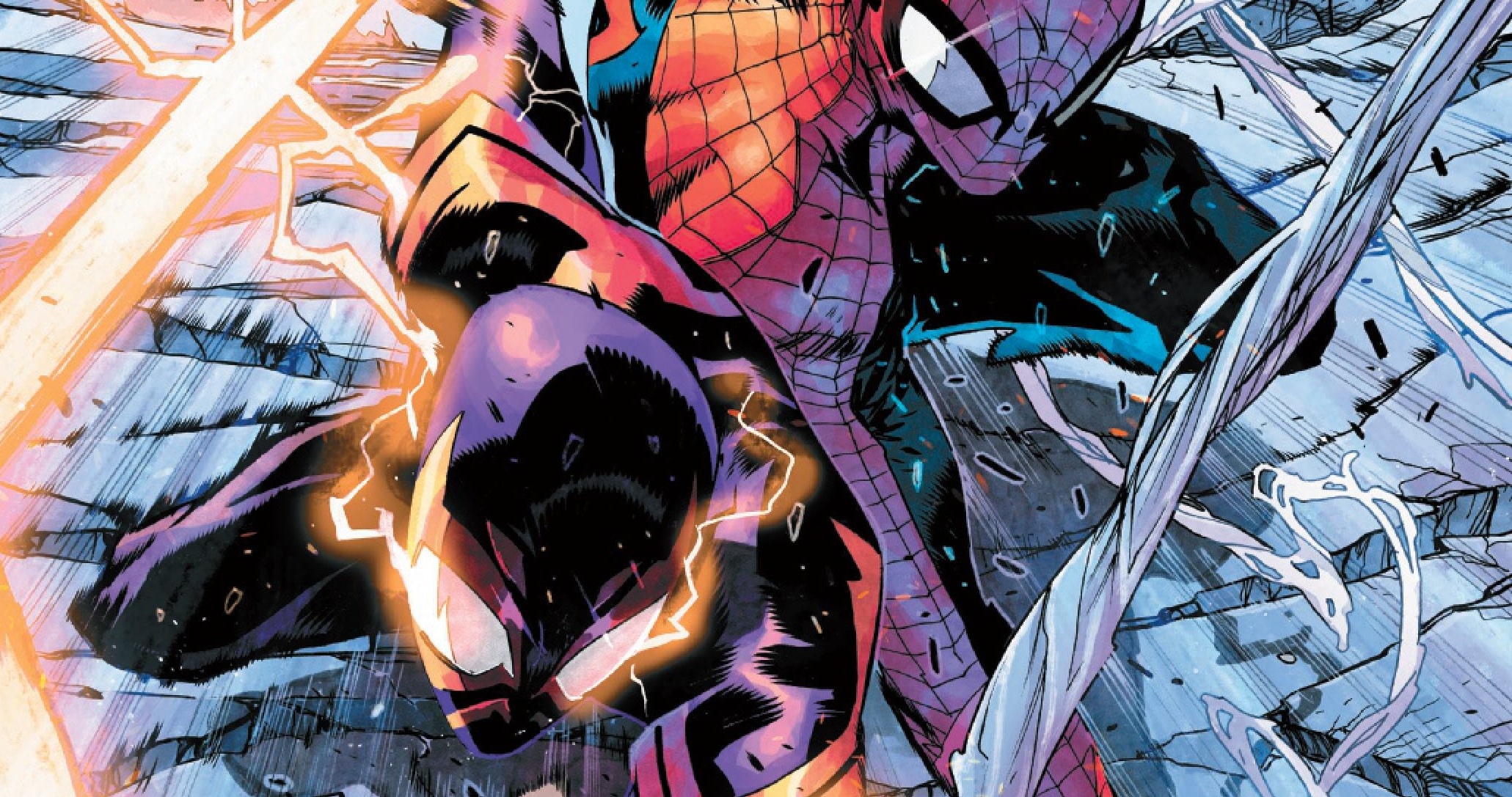
In issue #8 of Ziglar’s run, Miles confesses to his girlfriend, Tiana Toomes (aka the superhero Starling) that his Spider-Sense has been acting up as a result of the stressful battles he experienced with Rabble and Carnage in previous issues. Of the two battles, the one with Rabble was especially traumatic because it resulted in Miles having his family threatened and losing his home. Prior to this, the problem had been building up as early as issue #1, when he lost his temper with a teacher. Medical professionals have said that anxiety can cause anger because both are related to the body’s fight-or-flight response.
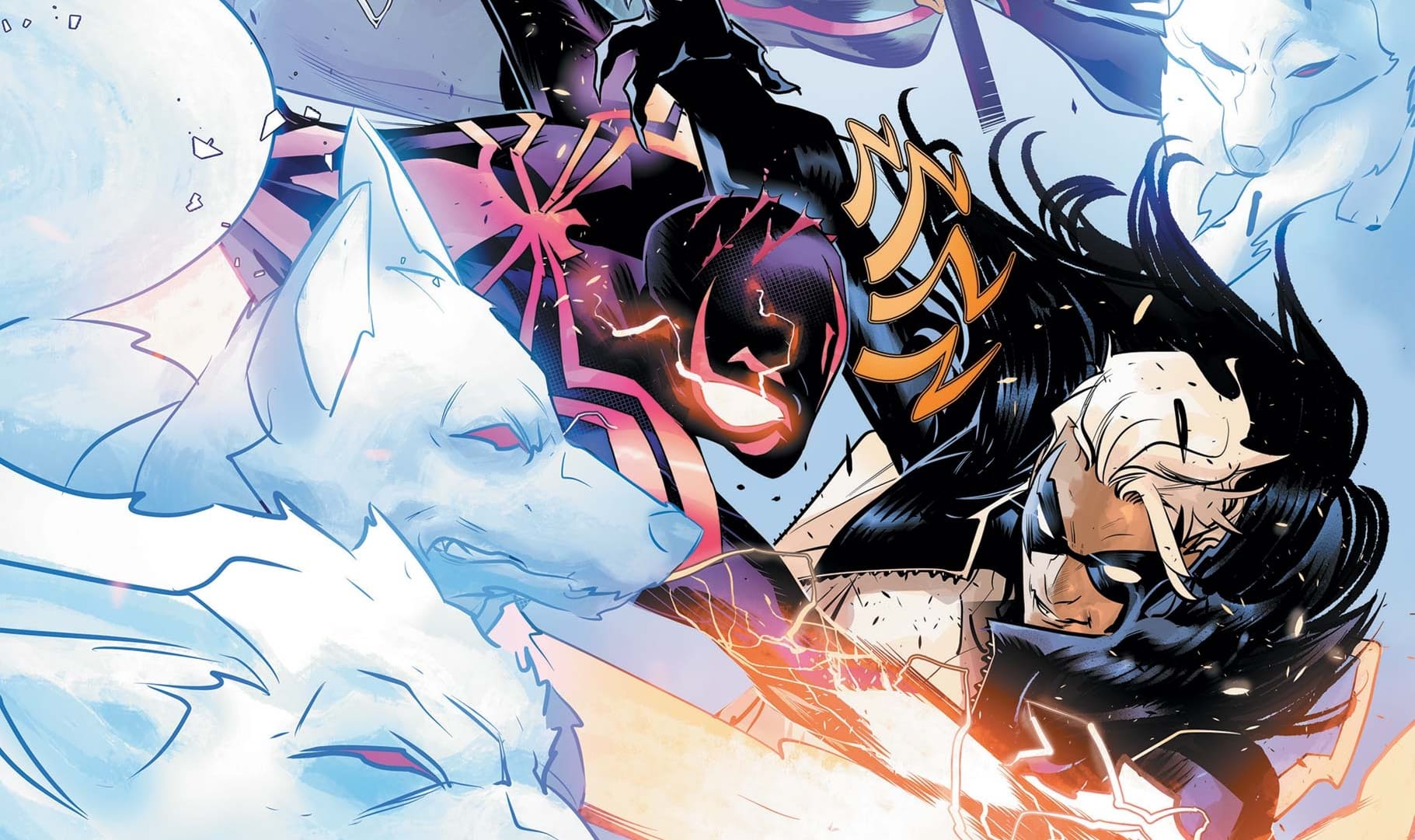
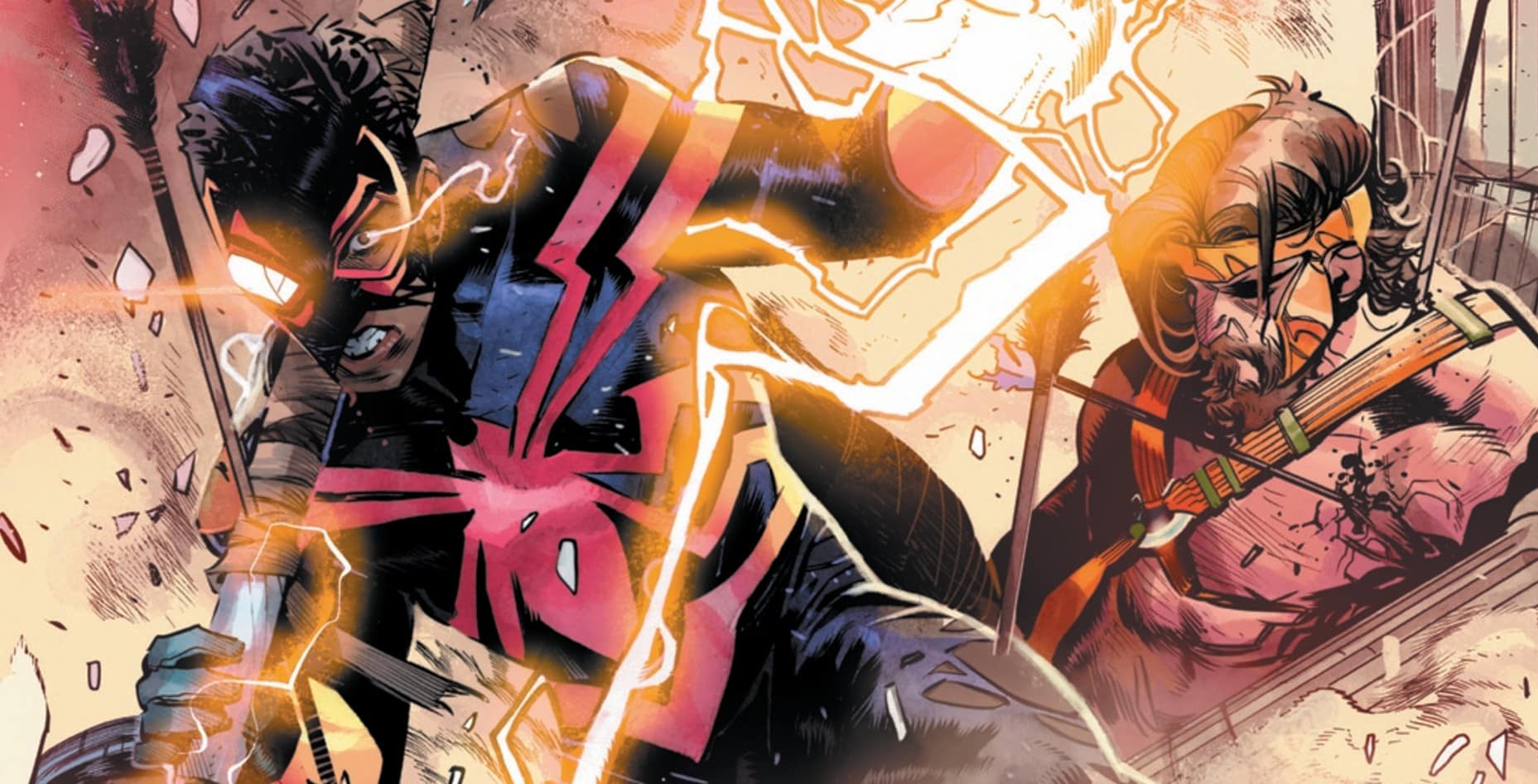
Despite knowing something is off, it takes a dangerous encounter with Hobgoblin in issues #8 and 9 before Miles tearfully admits to Tiana that he needs help. In issue #8, Miles says to Tiana, “I guess I never felt I could talk to anyone because of the hero stuff.” Miles is burdened, not only by trauma, but also by the pressure to live up to expectations as an Afro-Latinx legacy hero. It reminds me of something Peter Parker says in the first Spider-Verse movie: “No matter how many hits I take, I always find a way to come back.” Yet what happens when you can’t come back on your own? What happens when you’re angry, traumatized and need help, but lack all the resources? Ziglar answers this with Rabble.
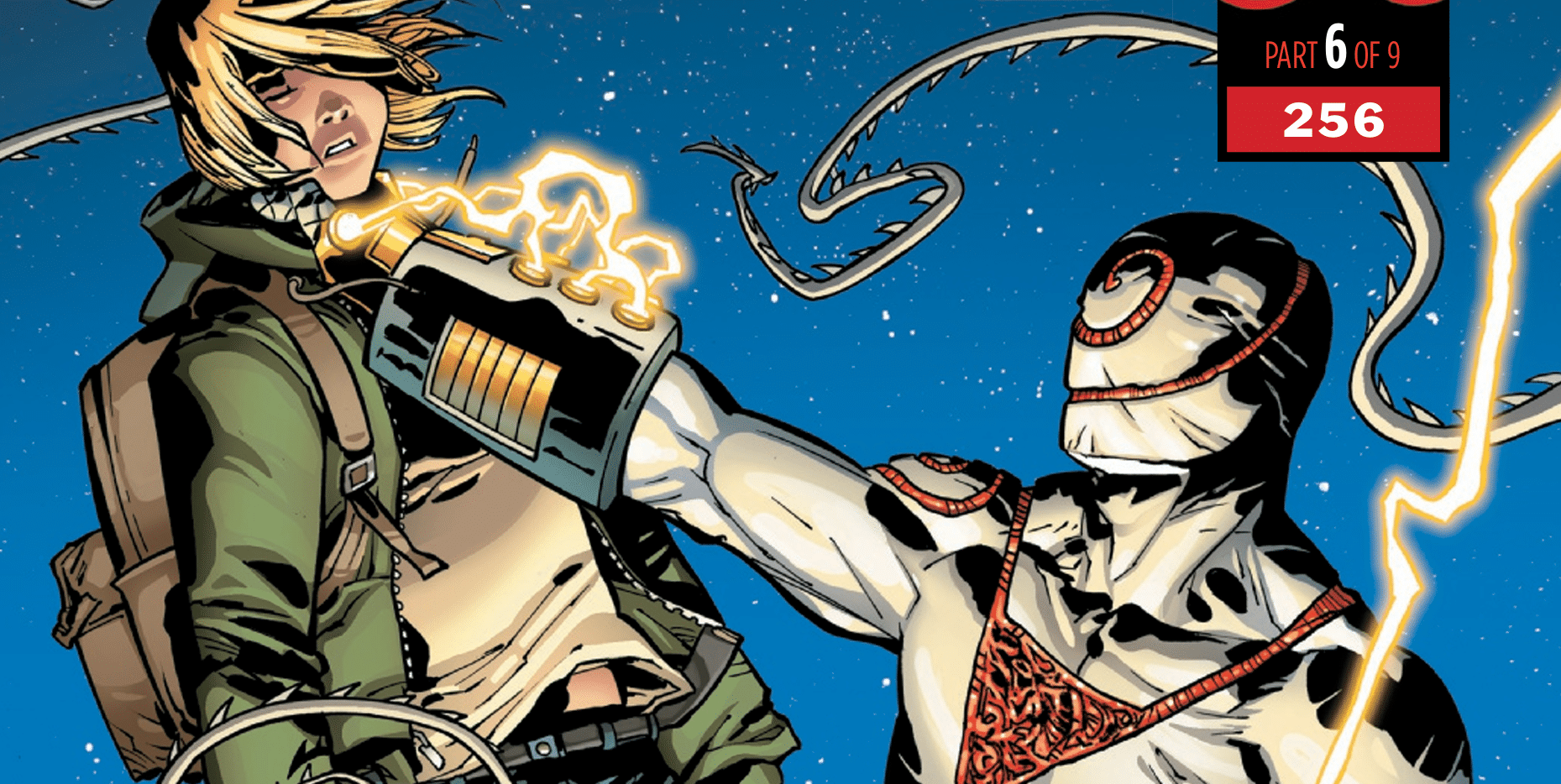
Unlike Miles, who gets therapy in issue #10 and learns to manage his anxiety quickly, Rabble does not. Rabble, aka Raneem Rashad, becomes Miles’ antagonist because she feels it is his fault that she wasn’t given the opportunity to attend Brooklyn Visions Academy like she wanted to. Miles was chosen over Raneem due to a random lottery that pitted marginalized students against each other. Instead of attacking the unfair education system, she takes her anger out on Miles throughout the series after she loses her mother to illness and her father to grief.
During her second attack on Miles in issue #18, it is shown that her father has symptoms of Alzheimer’s disease. It takes her until issue #39 to start therapy once Miles uses his superhero connections to refer her to his therapist, Dr. Keisha Kwan. Even after this, Raneem is still resentful enough to attack Miles a third time in issue #40, when Miles unexpectedly meets her again in Dr. Kwan’s office.
As she stops Miles and Raneem from fighting, Dr. Kwan says: “You’re both stubborn with big hearts. The big difference being that one of you is better at expressing their emotions and handling stress than the other. But Raneem will get there.” Even though Raneem has started therapy, she still struggles to overcome her trauma and manage her emotions in a healthy way because she lacks the emotional support system Miles has. With her mother dead, her father in a nursing home, and no living relatives or friends, Raneem is left to deal with her family store and her trauma alone. It is no wonder Raneem is still resentful of Miles, and it is an anger I understand all too well.
Last year, I experienced trauma as a caregiver to my mom. A urinary tract infection caused her to experience extreme paranoia and become violent, and we didn’t know she had it until I was affected. In the aftermath, I was angry for multiple reasons. I was angry about what had happened. I was angry because I wouldn’t get time to recover until months afterward. I was angry because even though I did my best to take care of my mom after my dad’s unexpected passing, she still ended up with dementia more than a decade later. Most importantly, I was angry because I felt robbed of the quintessential young adulthood, having been a caregiver since the age of 22. Even though I am almost 35 and have been in therapy since summer 2024, I am still angry sometimes because of caregiver stress and the lack of emotional and financial support for caregivers of color.
According to the online Merriam-Webster Dictionary, the word “rabble” has multiple meanings. The most notable are “a group, class, or body regarded with contempt” and “ordinary or common people lacking in wealth, power, or social status.” The character Rabble embodies these definitions because she is a brown girl who wasn’t given the chance to use her technological super abilities for good. This doesn’t excuse her actions, because trauma isn’t an excuse to inflict it on others. Yet it makes her just as much of a compelling, relatable character as Miles. If Miles represents how heroic my internal battle is, then Rabble represents how furious that battle can become. This fury isn’t necessarily villainous, but a righteous emotion that can be controlled and channeled into something better. I hope Rabble becomes someone better, and I hope Miles’ adventures continue.
Buy Miles Morales: Spider-Man #42 here. (Disclaimer: As an Amazon Associate, ComicsXF may earn from qualifying purchases.)

Latonya "Penn" Pennington is a freelance contributor whose comics criticism can be found at Women Write About Comics, Comic Book Herald, Newsarama and Shelfdust, among others. Follow them @wordsfromapenn.com on Bluesky.