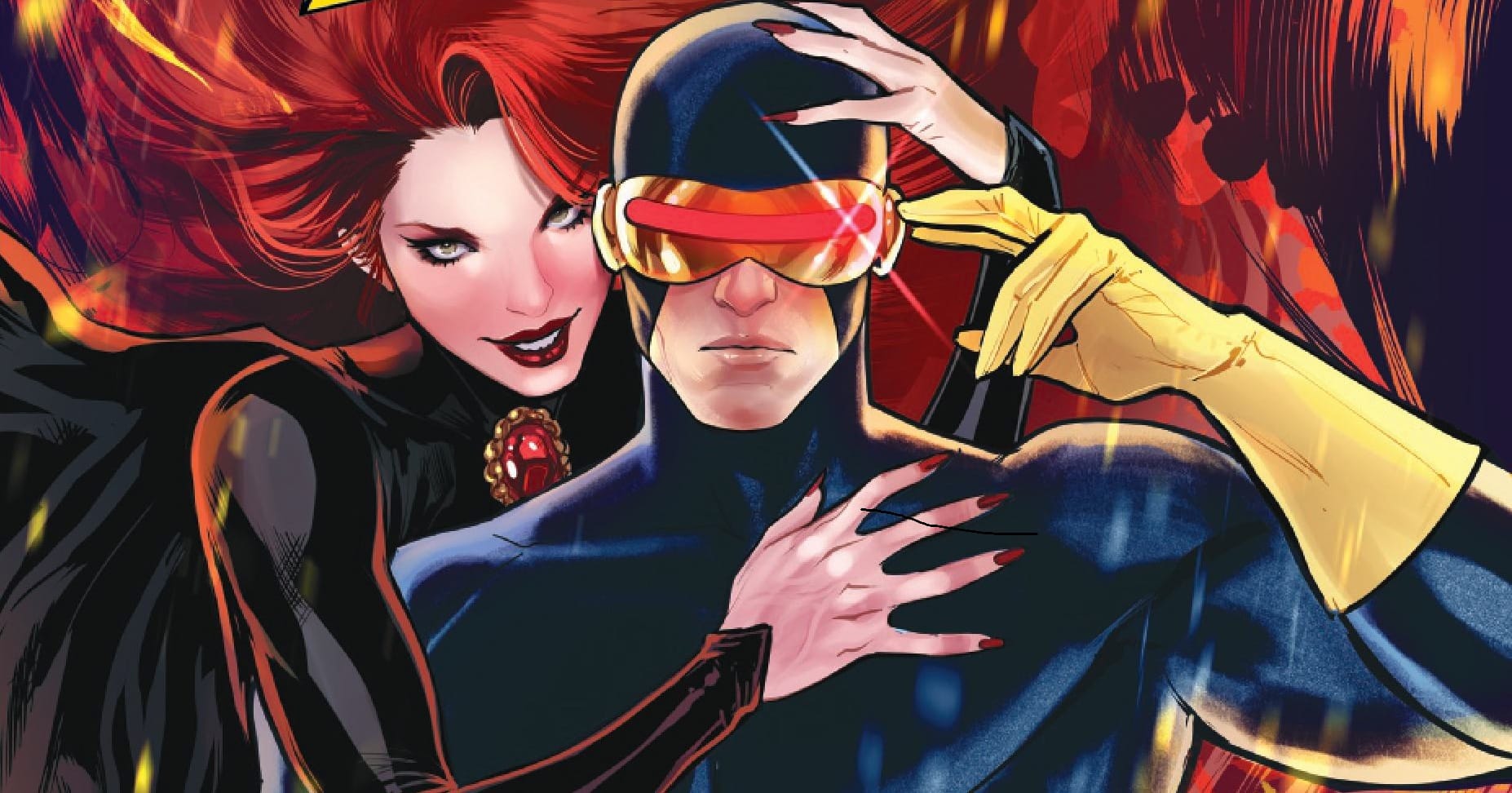
Imagine a world where Madelyne Pryor, the Goblin Queen, had survived the Inferno. What would have happened if Cyclops had saved her soul? What would have happened if he and Maddie had raised their son, Nathan Summers? What would that world look like? And why would that be the most terrible thing to happen to mutantdom and Earth itself? What If…? Uncanny X-Men #1 was written by Gerry Duggan, drawn by Jan Bazaldua, colored by Arthur Hesli and lettered by Clayton Cowles.
I have some strong opinions regarding Scott Summers and Madelyne Pryor. Specifically, Scott’s my favorite X-man, and I think Madelyne is one of the greatest characters Chris Claremont ever created, a heartbreaking tragedy of a woman trying to just live her life, raise her kid, and having her world stolen out from under her at every step, until she simply can’t take it anymore. The joking refrain for villains is “_____ did nothing wrong,” and while I’ll fully admit that it’s probably not a good thing to try and sacrifice one’s own baby in a demonic ritual, I empathize with Maddie’s rage and hurt leading up to that moment.
So when the solicits for this one dropped, dear reader, I can verify that I did indeed jump in our esteemed editor’s inbox immediately to all-caps request/demand that I be allowed to write about it. [Ed. note: Can confirm.] The question of how things might have been different had Scott never left Maddie has been a frequent one among X-Men fans, and, in a long cavalcade of injustices done to the first Mrs. Scott Summers, Scott leaving her alone in an Alaskan cabin with a newborn baby is a pretty egregious one. So I wheedled, and Dan was gracious enough to let me have the task (probably for the best; I’m not above making a scene).
Unfortunately … I wish it were better.


It’s not that I object to the issue being a downer; What If…? issues frequently are, because a common conceit of them is that things had to go the way they went in the main 616 timeline, or else everything is doomed. That’s part of the structure of heroic stories in general, the idea of barely succeeding against the monumental forces of evil, and What If…? reinforces that structure by providing actual windows into the way things could’ve gone instead. That part’s fine; Scott and Maddie’s lives are both fundamentally tragedies and I don’t mind seeing my favorites put through the wringer.
No, my objection here is just that the story’s not that well constructed. It first fails in addressing the question of its title, because the issue’s story begins after the events of “Inferno,” which is precipitated in part by Scott leaving Maddie. The timeline on that is pretty clear; Scott quits the X-Men, he and Maddie move to Alaska, he misses the adventure of being a hero, and the thing that seals the deal is that Jean Grey comes back. In this issue, though, “Inferno” just … goes all right. They save Maddie instead of her dying, and then Scott quits X-Factor to return to her. That’s not the same as staying with her! That’s a completely different thing, in fact; ask anyone who’s ever been left by a partner!
That’s also to say nothing of the emotional weight, the guilt; the issue glosses right over the idea that Scott has still betrayed his wife, has been partially responsible for a demonic invasion (to say nothing of vacuum-on-blind-man violence). I (and many others, I’m sure) understand Scott as a guilt-ridden man, one who remembers every mistake he’s ever made, one who feels responsibility for every loved one and every mutant he’s ever lost. That goes back to Claremont’s first years writing the character, to an infamous scene where the caption boxes themselves begin to argue with Scott until he’s screaming in anguish.
That’s where my problems with the story’s construction begin, because that emotional weight here is meat left on the bone. It’s not just Scott’s guilt, but it’s also Maddie’s rage at the betrayal, and presumably her own sense of guilt or shame post-”Inferno” — how do you wake up the morning after something like that? How do you go about your day? Do you make yourself some coffee? Stand on the front porch, wave to the newspaper boy? How do you process the incongruity of being willing and able to burn the entire world and then simply living in it? We won’t find out, at least not in this issue. Well-crafted stories compel readers via emotional investment in their characters, their plot and so forth, and this story has eschewed all of that in favor of pushing the action figures around with a sort of detached overview. Scott and Maddie retire from superhero life and dedicate themselves to raising Nathan, who gets to grow up normally instead of being infected with the techno-organic virus and having to flee to the future (which, I will remind you, also happened during “Inferno,” so … I guess it just didn’t this time). The closest this story gets to a real emotion is with Jean, who in the immediate aftermath of Scott leaving, goes and hunts down Sinister, then mindwipes him as a way of processing her own feelings about the situation. She keeps doing the hero thing for a while, then later in the story goes to the Fantastic Four for a spaceship and … leaves Earth, never to be seen again.
OK, sure, I guess.
Again, I’m familiar with how What If…? stories work, and I understand that a certain level of briskness is often necessary to cover a large swath of retold story, especially when starting somewhere in the late 1980s and carrying a thread through to 2026 in the space of a single issue. But there’s a balance to how that sort of thing is done, and this one fails that balance by first glossing over the emotional weight of these decisions, and second by not understanding the chain of events that led to “Inferno” in the first place.
For instance, the Mutant Massacre happens … much later, once Nathan’s a teenager and an active mutant (and still, somehow, going by Cable, despite the entire conceit of that name no longer being present in his story). Scott and Maddie have returned to superhero life by this point, because young Nathan decided he wanted to be a superhero too, and because Scott and Maddie have apparently learned nothing in the intervening years about being good parents. You know, the thing they quit being superheroes to do, in this story.
There’s no reason given for why the Mutant Massacre didn’t happen as it originally did, presumably because Marvel doesn’t pay its editors enough to care about these details in the way it used to. It’s delayed presumably because it takes Sinister that long to regain his memories after Jean mindwiped him, but again; the event originally happened before “Inferno,” and so it would’ve happened before Jean’s attack. Whatever, I guess. It didn’t go that way here.
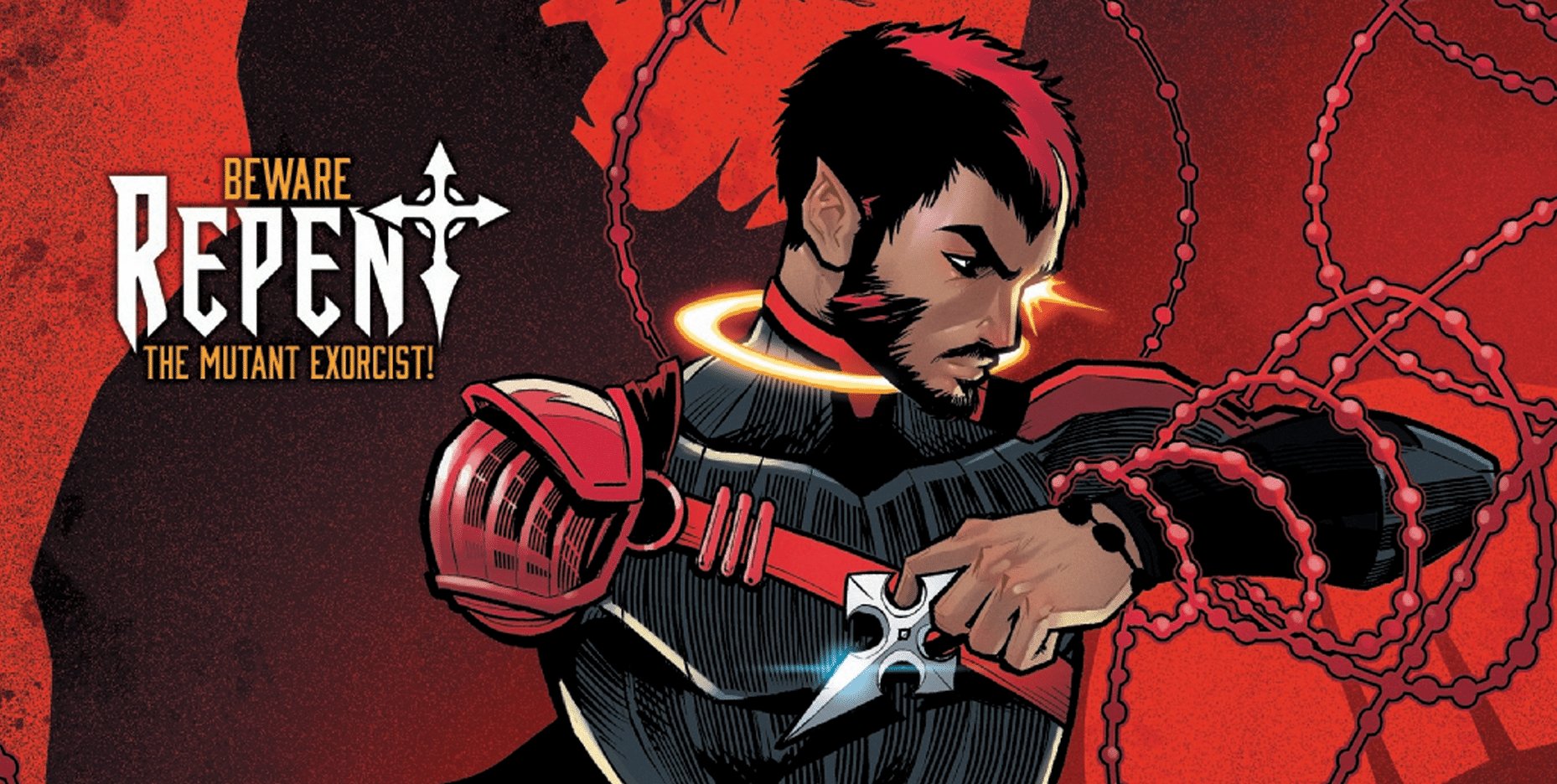
This is where the story’s other problem comes to the fore; as I said earlier, What If…? stories often operate on the conceit that things go pretty badly in them. This is where it starts. Sinister and the Marauders attack the mansion, Scott gets blinded and Maddie gets murdered (Sinister incorrectly thinks it was Maddie who stole his memories). Scott gets some assistive tech to compensate for his loss of vision/optic beams, then forms this reality’s X-Force and goes on a bloody path of revenge. I don’t want to spoil the entire rest, but it does end in Earth itself being a barren wasteland, with all life extinguished (or, I suppose, X-tinguished).
I don’t mind Scott breaking bad here, that’s fine, he’s done that like half a dozen times, and frankly I would’ve been surprised if he hadn’t, because the boy is not emotionally stable. The problem here is that to get to that point it relies on one of the oldest and most tired comics tropes in existence; it literally fridges Madelyne as the impetus for Scott and Nathan’s Manpain™ that results in the end of the world. It’s quite a sealing of the deal in one sense; the issue begins its story by glossing over her feelings, giving her no room to process the complex emotions of her husband returning to her, her attempt to murder the world (and presumed recanting), and so on, and then it ends by killing her and thus the world anyway.
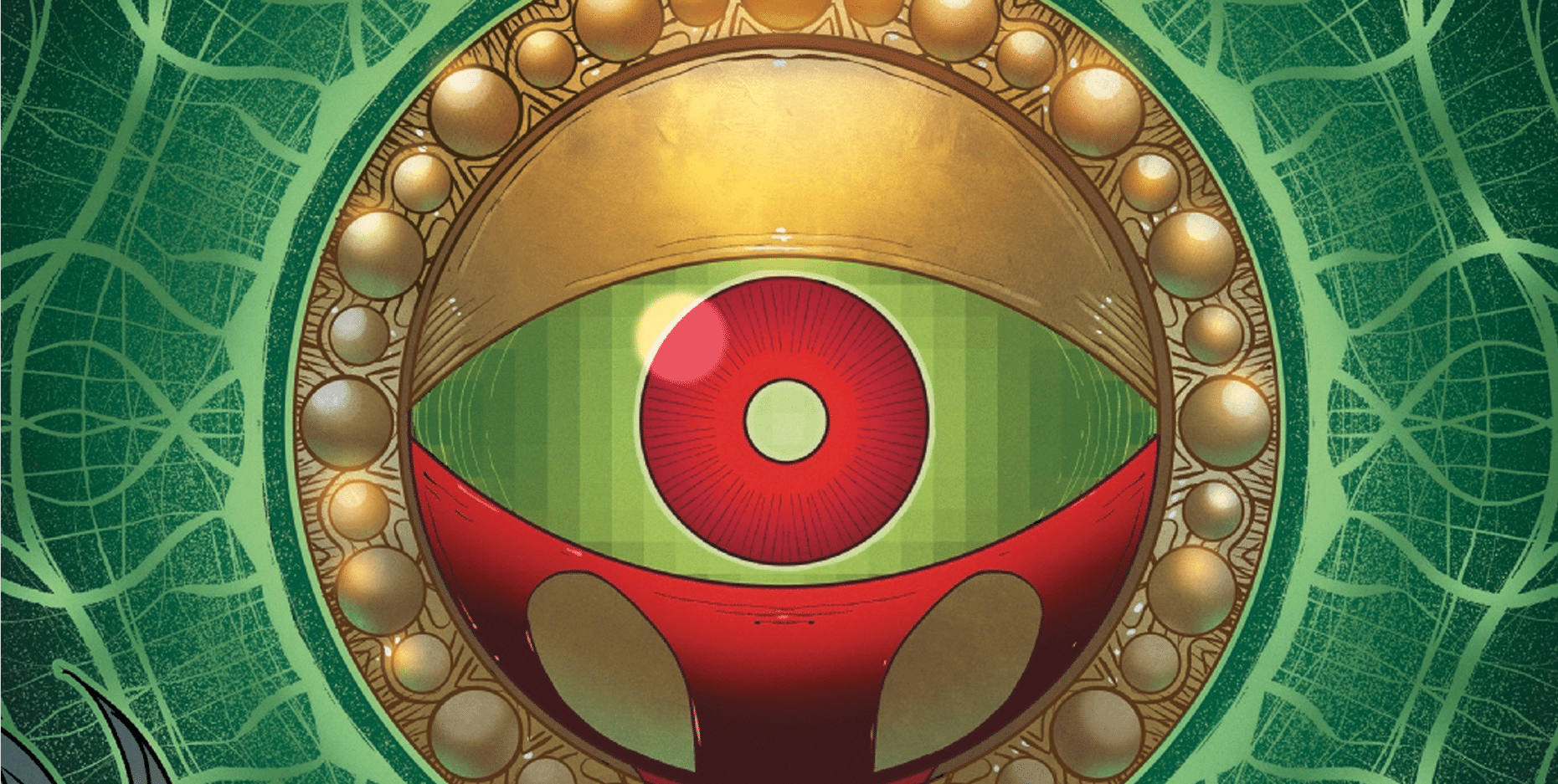
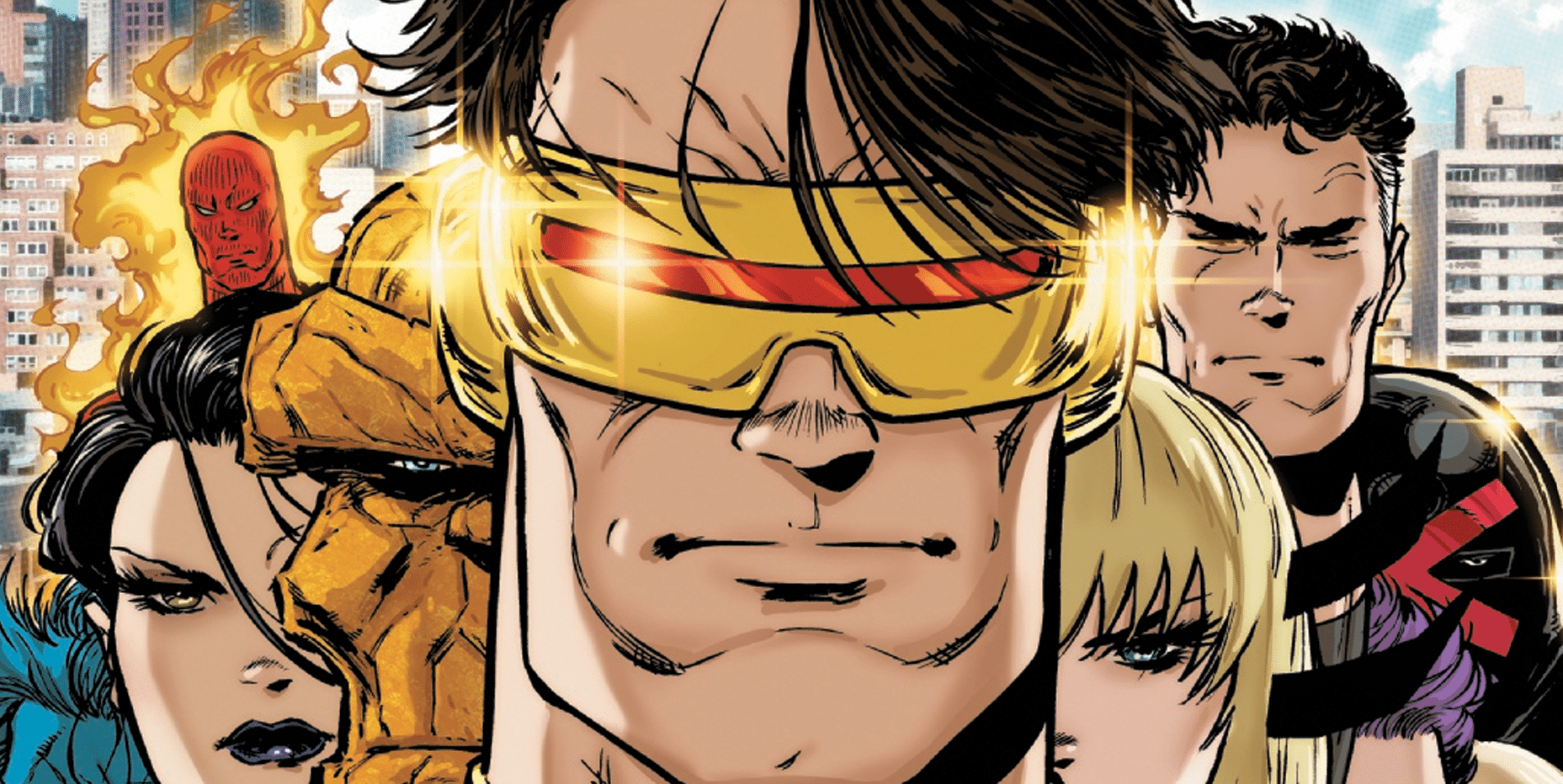
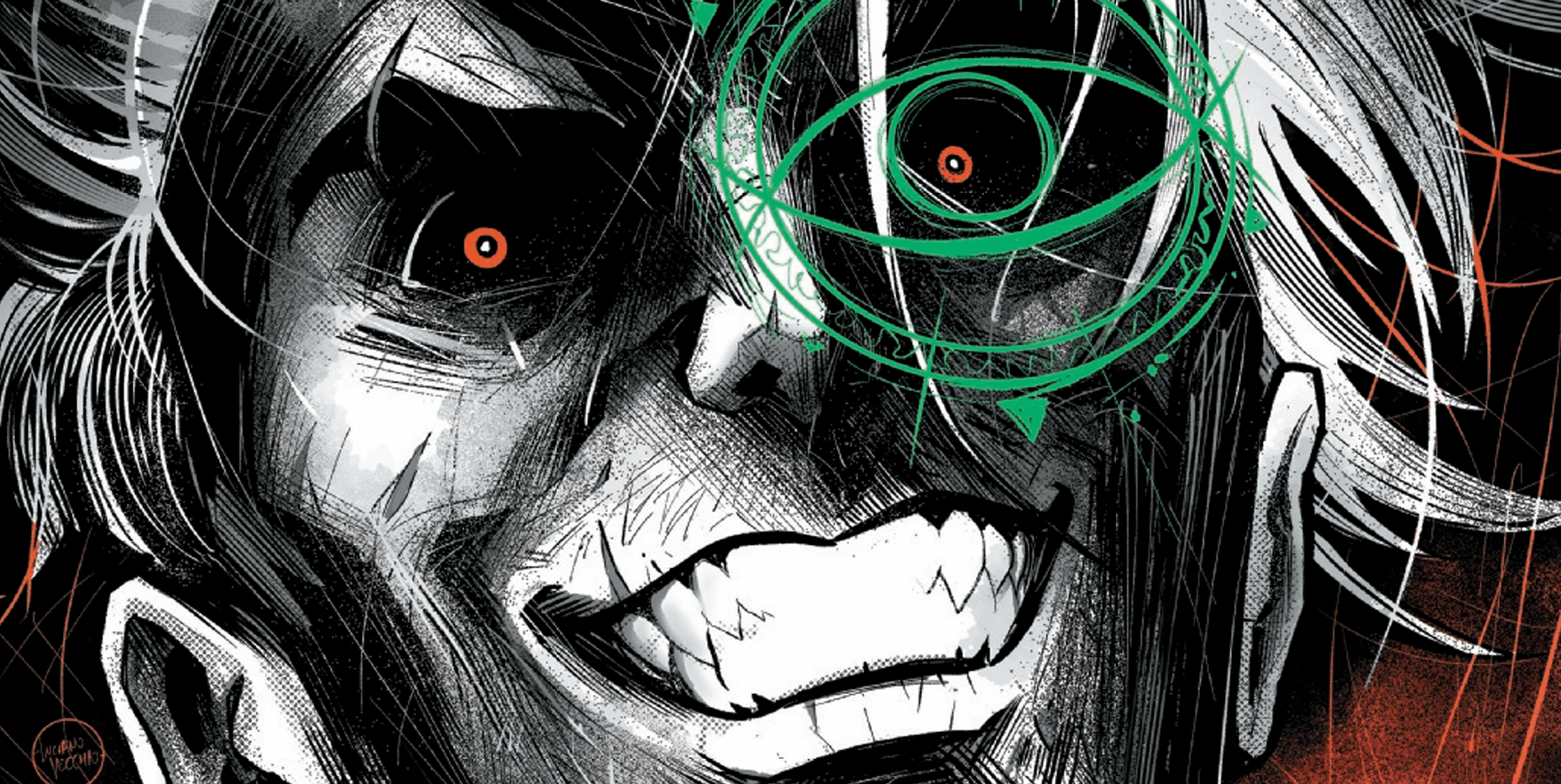
This is a comic book, though, and I’d be remiss if I didn’t talk about the art. Jan Bazaldua is someone I’ve been a fan of for a while; I like the way she constructs her work, not just her figure work but her ability to construct a scene that feels lived in. There are a couple moments here where the way she draws Maddie’s face reminds me very specifically of Marc Silvestri, and that’s a very good thing to be doing when one is telling a story about Madelyne Pryor. She’s also good at the visual storytelling aspect; it’s kind of a magic trick, getting readers to mentally fill in the bits between panels, and she’s great at it. She’s assisted here by Arthur Hesli on colors, and he’s not someone I’m familiar with, but I’m impressed by his work; he knows how to light a scene well, how to use saturation to draw the eye, and he shows a great understanding of environmental lighting. I had a pretty bad time reading this issue, but I can’t fault the visual art for that; it’s an attractive comic to look at, if one ignores all the writing and dialogue.
“Inferno” was a grand drama, a tragedy in the classic sense of the word. This issue, in trying to address its aftermath, fails in most cases to even reach for heartstrings, much less pluck them. If you’re going to build a good tragedy, that emotional component is necessary; without it you’re just smashing toys together and yelling “HAHA, SHIT SUCKS.” If that’s what Marvel wants to do, fine, but there’s a reason I don’t bother giving them my money anymore.
Buy What If…? Uncanny X-Men #1 here. (Disclaimer: As an Amazon Associate, ComicsXF may earn from qualifying purchases.)

Nola Pfau is Editor-in-Chief of WWAC and generally a bad influence.