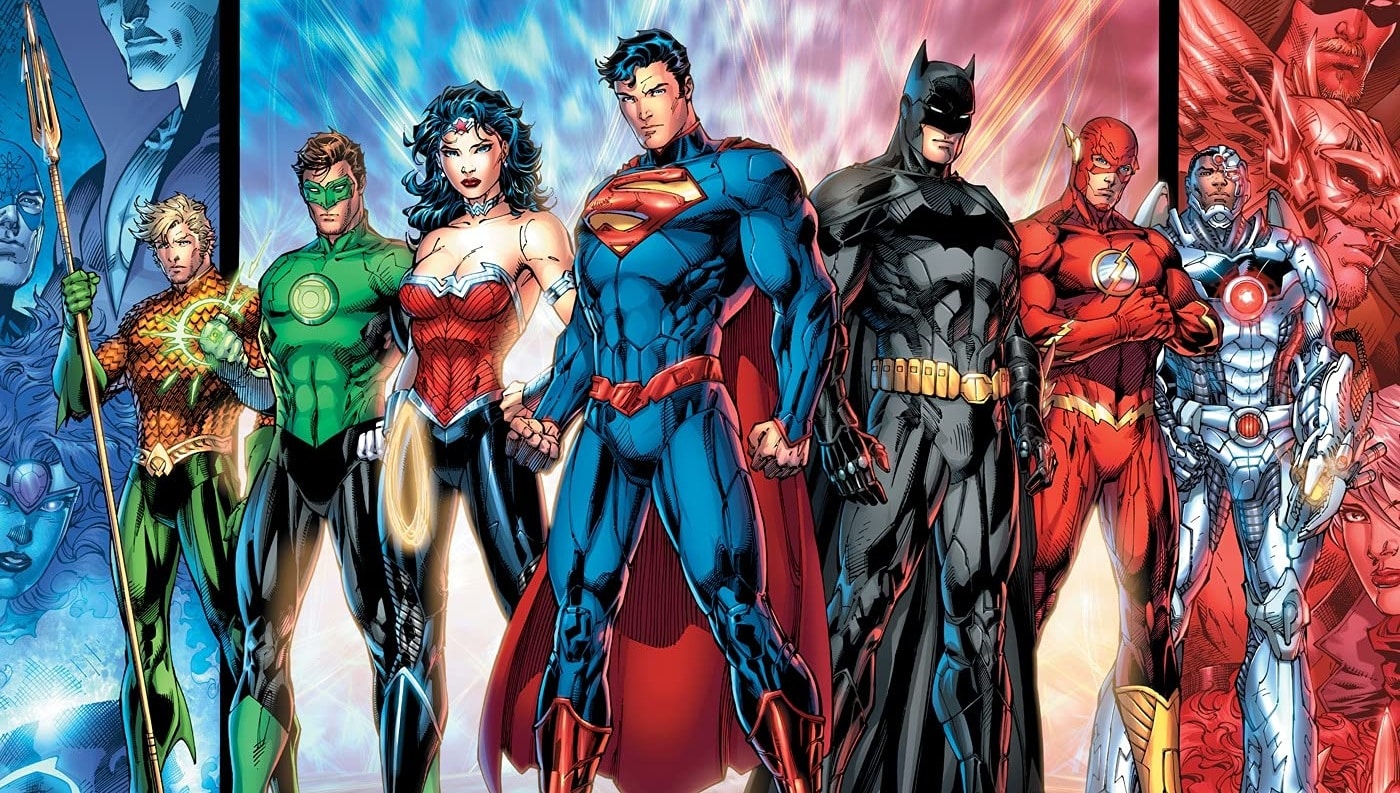
DC Comics is thriving creatively. The success of the publisher’s “All In” initiative and the Absolute Universe is undeniable, with the company overtaking Marvel in market share for the first time in years. It’s crazy to think that nearly this time 15 years ago, DC was launching the New 52.
Whenever someone mentions the New 52, it can be met with anything from a groan and an eyeroll from longtime fans to excitement from those who started reading comics at the time. Up until this point, in September 2011, DC had not had a full-scale reboot since 1985’s Crisis on Infinite Earths. Major events like Zero Hour and Infinite Crisis introduced some significant retcons, but for over 25 years, the post-Crisis DC Universe remained intact.
The New 52 wiped the slate clean, to mixed results. In the years since, DC has backpedaled on this reboot, reintegrating many elements from post-Crisis continuity into the mainline comics. Even so, the New 52 has had several lasting ramifications on DC Comics and other media. From animated movies to live-action films, the New 52 has left its mark.
Overall, the New 52 taught DC about the dos and don’ts of trying to breathe new life into its iconic characters. You could argue it walked so the Absolute line could run.

In the fall of 2011, following the seminal Flashpoint storyline, DC canceled all of its ongoing titles and launched 52 new ongoing series (hence the name). To make its comics more accessible to newer readers, DC started from scratch. Teams like the Justice League and Teen Titans had their origins retold. Additionally, DC decided to make its characters much younger, establishing that Superman and Batman have been operating for about five years. To go along with this younger, flashier aesthetic, most characters got newer, updated looks.
Of course, in rebooting the mainline DC Universe, the publisher faced criticism from longtime fans. Suddenly, decades of character histories were gone, including iconic relationships such as Green Arrow and Black Canary. Moreover, previous incarnations of the Titans never existed, with Cyborg becoming a founding member of the Justice League and Starfire starring in Red Hood and the Outlaws. Wally West was also nowhere to be seen, vanishing in favor of Barry Allen as the primary Flash. Speaking of Wally, legacy characters were largely diminished in their importance. Tim Drake was retconned into never having been Robin. Barbara Gordon reverted from Oracle to Batgirl, with Stephanie Brown and Cassandra Cain shoved to the sidelines. Taking Barbara out of her wheelchair and making her Batgirl again caused some controversy around disability representation.
The biggest issue with The New 52 reboot, however, was the confusion around continuity. DC established a five-year timeline for this new universe, but somehow Batman had been through four Robins (or three, now). Too much had happened to DC’s characters for the five-year timeline to make sense.
Compounding the issue, it was unclear exactly what happened from the post-Crisis DCU and what didn’t. For the most part, the history of characters like Batman and Green Lantern remained intact. Yet characters like Superman and Wonder Woman went through almost complete overhauls. Superman was no longer married to Lois Lane, and Jonathan and Martha Kent were both dead. Wonder Woman went through one of the most controversial origin changes. Diana was no longer made from clay and given life by the gods. Instead, Wonder Woman was the daughter of Zeus and Hippolyta. Simply put, DC tried to have its cake and eat it too, changing some things but keeping others.

Continuity issues aside, the New 52 did make headlines in its first few months, and not always for the better. Red Hood and the Outlaws gave readers an overly sexualized Starfire with none of her post-Crisis memories or personality traits. Catwoman ended its first issue with a rooftop sex scene between Bruce and Selina. Detective Comics #1 ended with the Joker having his face cut off by the Dollmaker. Given these startling instances of over-the-top sex and violence, the New 52 faced criticism, with fans accusing DC of relying on shock value over anything more substantial.
Despite the controversial nature of the New 52, plenty of critically acclaimed series came out of this era. Scott Snyder and Greg Capullo’s Batman, especially the “Court of Owls” storyline, is considered a definitive run for the Dark Knight. Similarly, Geoff Johns on Aquaman, Brian Buccellato and Francis Manapul on The Flash, Jeff Lemire on Animal Man, Snyder on Swamp Thing and even Wonder Woman by Brian Azzarello and Cliff Chiang (despite the massive retcons to Wonder Woman’s lore) are all highly acclaimed and well-received runs.
More importantly, DC had accomplished its goal, creating several great starting points for readers. Years after the New 52, Johns’ Aquaman is cited as a great starting point for the character. Snyder and Capullo’s Batman is a perfect jumping on point, along with Peter Tomasi and Patrick Gleason’s Batman and Robin. In this sense, the New 52 was successful.
Five years later, 2016’s DC Universe: Rebirth #1 marked the end of the New 52 era and a return of more post-Crisis elements to DC. Wally West returned, Green Arrow and Black Canary were together again, the original teen sidekick Teen Titans (Dick Grayson, West, Roy Harper, Donna Troy, etc.) reunited, Wonder Woman’s New 52 origin was re-retconned, etc. In the following years, post-Crisis continuity was gradually merged with that of the New 52, with some Watchmen and Wildstorm thrown in for good measure.
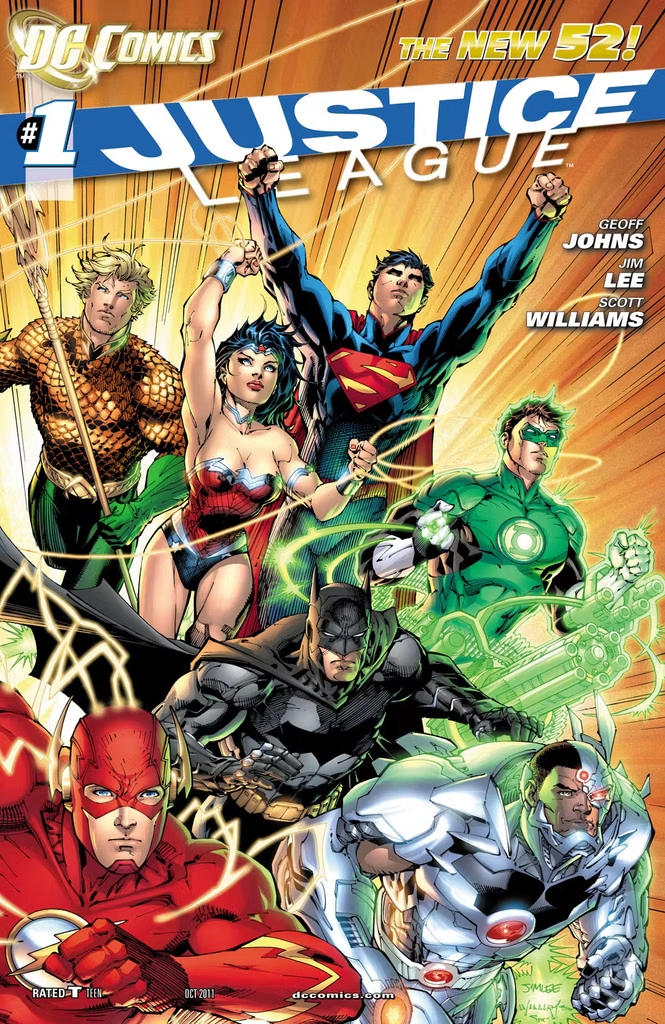
Even so, the New 52 made an impact. Elements of the New 52 remained part of the DC mythos, as well as the public consciousness. Cyborg was a member of the Justice League, in both animated movies and in the live-action Justice League film. Harley Quinn became associated with the Suicide Squad in comics, animation, movies and video games. For a few years, the animated DC films were based on the New 52 character designs and storylines. The Flashpoint Paradox animated movie adapted Flashpoint, leading into Justice League: War, a direct adaptation of the New 52’s Justice League origin story, and so on. Similarly, the Justice League origin in Johns and Jim Lee’s first arc of Justice League has been treated as the new definitive Justice League origin in animation and live action.
Most importantly, the New 52 taught DC a valuable lesson on appealing to new readers and longtime fans simultaneously. The big issue with the New 52 was its continuity problems. With needless retcons, a confusingly short timeline and polarizing character decisions, the new DCU left fans with more questions than answers.
Currently, DC is applying the lessons of the New 52 to the Absolute Universe. Absolute takes all of the best aspects of the New 52, appealing to new readers by starting from scratch. All-star creative teams have crafted exciting new starting points for major DC characters. This new universe also has created interesting new twists on classic characters, intriguing longtime fans with fresh ideas.
At the same time, Absolute doesn’t need to worry about alienating longtime readers, because the mainline DCU remains intact and separate from the Absolute line. DC’s mainline titles honor the publisher’s legacy, while looking to the future. For better or worse, that legacy includes the New 52, at least partially.
Fifteen years out, the New 52 may seem like a distant memory, but its impact endures.

Nabeel Gaber
Nabeel Gaber is a writer and longtime comic book fan based in Boston. He graduated from Emerson College with a master's degree in publishing and writing. When he's not busy trying to make rent, he is the host of The Ultimate Comics Podcast with his longtime frenemy, Josh Kang.